
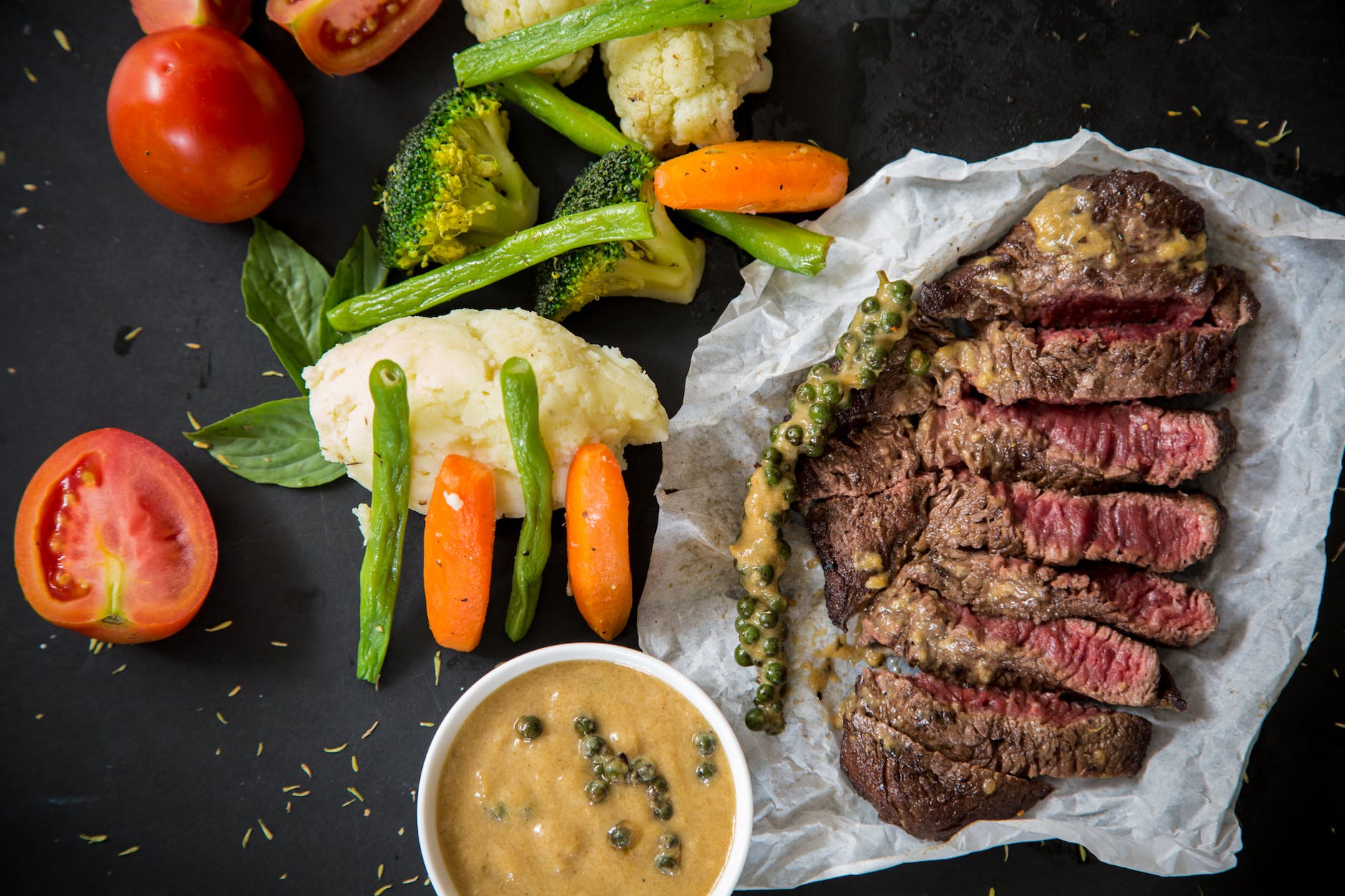
Experiencing cravings while following the carnivore diet can stem from several physiological and psychological factors. The carnivore diet involves consuming only animal products and eliminating plant-based foods, which can lead to certain changes in your body and mindset, potentially triggering cravings.
Here are some reasons why you might have cravings on the carnivore diet:
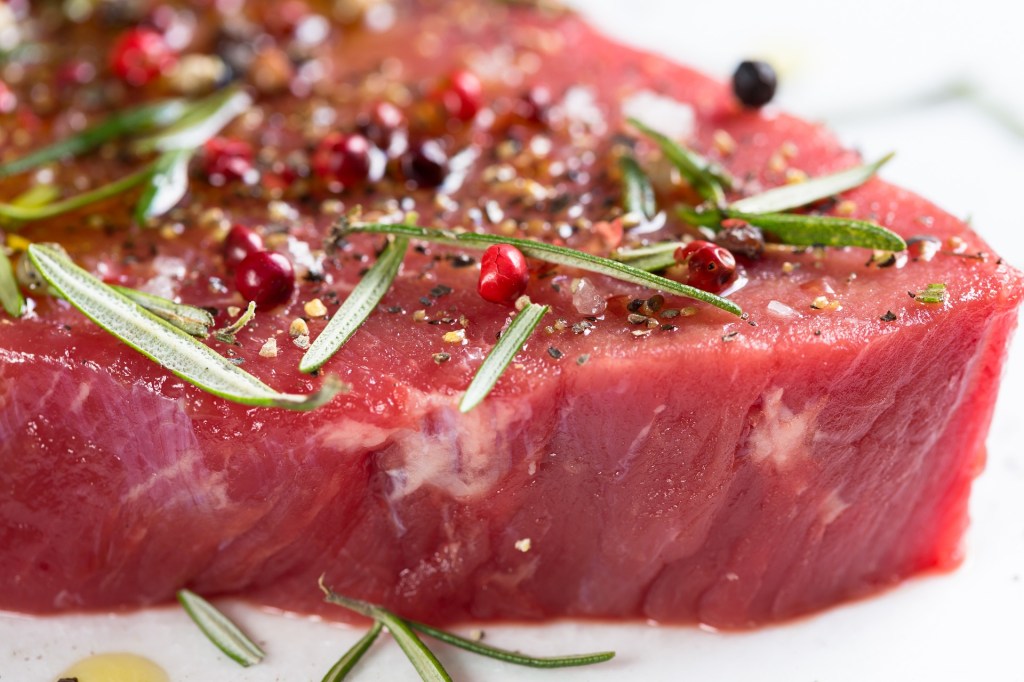
1. Nutrient Deficiencies: The carnivore diet excludes many plant foods that are rich in essential nutrients, such as vitamins, minerals, and dietary fiber. Cravings can arise as your body seeks the missing nutrients it needs for optimal function. Incorporating a variety of animal products and considering nutrient supplements can help address potential deficiencies.
Your body needs 90 Vitamins, Minerals and Essential Fatty Acids which is impossible to get through diet alone. Which is why our body gives us cravings to let us know what it needs. About 5 years ago I found this supplement by Dr Joel Wallach (if you haven’t heard of him I would highly recommend you listen to his story on Youtube called “Dead Doctors Don’t Lie”) But basically he tells his story on how he came up with his vitamin line to give the body everything it needs.
Click here if you would like more info
I have used this vitamin for many years and I definitely notice a difference and find it a great way to maintain and keep up with my bodies overall health.
2. Carbohydrate Withdrawal: Carbohydrates are the body’s primary source of energy. When you drastically reduce or eliminate carbohydrates, as in the carnivore diet, your body may experience carbohydrate withdrawal. This can lead to cravings for sugary or starchy foods as your body adjusts to the new energy source from fats and proteins.
3. Gut Microbiome Changes: Plant-based foods contain fiber that supports the growth of beneficial gut bacteria. By cutting out these foods, you might experience shifts in your gut microbiome composition. This can affect signals between your gut and brain, potentially leading to cravings for foods that used to support your previous gut bacteria.
4. Psychological Factors: Cravings can also be triggered by psychological factors such as boredom, stress, emotions, or habit. Restricting your diet to a narrow range of foods can increase the desire for variety, leading to cravings for foods that are not allowed on the carnivore diet.
5. Social and Environmental Influences: Social situations and environmental cues can play a significant role in cravings. Being exposed to non-carnivore foods in social gatherings or seeing tempting foods in advertisements can trigger cravings, making it challenging to stick to the diet.
6. Palatability: The taste and texture of certain foods can trigger cravings. On the carnivore diet, your food choices are limited, and cravings might arise for foods that provide more variety or sensory satisfaction.
7. Biological Hunger Signals: If your body is not receiving enough calories or nutrients, it can trigger hunger signals and cravings as a way to encourage you to consume more food.
To manage cravings on the carnivore diet, consider the following strategies:

1. Diversify Your Diet: Include a variety of animal products to ensure you’re getting a range of nutrients and satisfying your body’s needs.
2. Stay Hydrated: Drinking water can help reduce cravings and keep you feeling full.
3. Manage Stress: Engage in stress-reduction techniques like meditation, exercise, or relaxation to help minimize emotional eating triggers.
4. Plan and Prepare: Plan your meals ahead of time to prevent impulsive food choices and cravings. It also allows you to track your nutritional needs. Example: If after you finish your meal and you are still hungry, you may need to up your fats to allow you to feel fuller much longer.
5. Seek Support: Connecting with others following the carnivore diet or consulting a healthcare professional can provide guidance and support in managing cravings.
Remember that individual responses to the carnivore diet vary, and it’s essential to listen to your body’s signals while making informed choices about your dietary habits. If cravings persist or become overwhelming, consider reevaluating the suitability of the diet for your personal health and well-being.
Hope you found this article helpful!
Please be sure to follow us on social media for our latest topics
 Welcome