
Essential oils are believed to support the immune system through various mechanisms, including their antimicrobial, anti-inflammatory, and antioxidant properties. Here’s how they can benefit the immune system, along with sources that provide further information:
1. Antimicrobial Properties
Many essential oils, such as tea tree, eucalyptus, and thyme, have strong antimicrobial properties that can help fight off pathogens like bacteria, viruses, and fungi. These properties can reduce the likelihood of infections and illnesses, thus supporting the immune system.
- Source: According to a study published in the journal Microbiological Research, essential oils like thyme and oregano showed significant antimicrobial activity against various pathogens, including bacteria and fungi .
2. Anti-inflammatory Effects
Chronic inflammation can weaken the immune system over time. Essential oils such as frankincense, lavender, and ginger are known for their anti-inflammatory effects, which can help modulate the immune response and reduce inflammation in the body.
- Source: A review in The Journal of Immunology Research discusses how essential oils, including those from lavender and rosemary, can help reduce inflammation, thereby supporting immune function .
3. Antioxidant Activity
Essential oils like clove, rosemary, and lemon are rich in antioxidants, which help neutralize free radicals in the body. Free radicals can cause oxidative stress, which weakens the immune system. Antioxidants from essential oils can protect cells from damage and enhance overall immune health.
- Source: Research published in the Journal of Agricultural and Food Chemistry highlights the high antioxidant content of essential oils like clove and rosemary, which can help protect the immune system from oxidative stress .
4. Respiratory Support
Essential oils such as eucalyptus, peppermint, and thyme can help clear the respiratory tract, making it easier for the immune system to fight off respiratory infections. Inhalation of these oils can support the immune system by improving breathing and reducing congestion.
- Source: A study in the Journal of Ethnopharmacology found that eucalyptus oil has significant effects in treating respiratory conditions, supporting the immune system in its response to infections like the common cold and flu .
5. Stress Reduction
Chronic stress can suppress the immune system, making the body more susceptible to illness. Essential oils like lavender, bergamot, and chamomile have calming effects that can help reduce stress and anxiety, indirectly benefiting the immune system by promoting relaxation and mental well-being.
- Source: An article in Frontiers in Pharmacology discusses how essential oils like lavender and bergamot reduce stress and anxiety, thereby helping to maintain a healthy immune response .
While essential oils are not a cure-all, they can be a valuable part of a holistic approach to supporting the immune system. Their antimicrobial, anti-inflammatory, antioxidant, respiratory, and stress-relief benefits can collectively contribute to a stronger immune response. However, it’s important to use them correctly and consult with a healthcare provider, especially if you have underlying health conditions or are taking medications.
Essential oils have been used traditionally to support overall health and wellness, including immune system support. Many essential oils possess properties such as antimicrobial, anti-inflammatory, and antioxidant effects that can contribute to a healthier immune response.
Here are some essential oils commonly believed to help boost the immune system:
1. Tea Tree (Melaleuca) Essential Oil
Properties:
- Antimicrobial: Effective against a variety of bacteria, viruses, and fungi.
- Anti-inflammatory: Helps reduce inflammation in the body.
- Immune Stimulant: May support and strengthen the body’s natural defenses.
Usage:
- Topical Application: Dilute with a carrier oil (e.g., coconut or jojoba oil) and apply to the skin to help prevent or address infections.
- Aromatherapy: Diffuse to purify the air and support respiratory health.
Precautions:
- Perform a patch test to check for skin sensitivity.
- Not recommended for internal use without professional guidance.
2. Eucalyptus Essential Oil
Properties:
- Antimicrobial: Known to combat bacteria and viruses effectively.
- Respiratory Support: Helps clear nasal passages and supports respiratory health.
- Anti-inflammatory: Reduces inflammation, aiding the immune response.
Usage:
- Inhalation: Add a few drops to a diffuser or inhale directly to support respiratory function.
- Topical Application: Diluted application can relieve muscle aches and support overall wellness.
Precautions:
- Use cautiously around young children and pets.
- Avoid contact with eyes and sensitive areas.
3. Lemon Essential Oil

Properties:
- Antioxidant: Protects cells from oxidative stress.
- Antimicrobial: Helps inhibit the growth of certain bacteria and pathogens.
- Detoxifying: Supports the body’s natural detoxification processes.
Usage:
- Aromatherapy: Diffuse to uplift mood and purify the air.
- Topical Application: Diluted application can support skin health and cleanse surfaces.
Precautions:
- Photosensitivity: Can increase skin’s sensitivity to sunlight; avoid sun exposure after topical application.
- Ensure proper dilution to prevent skin irritation.
4. Oregano Essential Oil
Properties:
- Potent Antimicrobial: Effective against a wide range of bacteria, viruses, and fungi.
- Anti-inflammatory: Helps reduce inflammation and supports immune function.
- Antioxidant: Protects against free radical damage.
Usage:
- Topical Application: Highly diluted application can be used for skin infections and immune support.
- Aromatherapy: Diffuse in small amounts to purify the air.
Precautions:
- Extremely potent; always use with proper dilution.
- Not recommended for use during pregnancy or on young children.
- May cause skin irritation; perform a patch test before use.
5. Frankincense Essential Oil
Properties:
- Immune Enhancer: Believed to strengthen and support the immune system.
- Anti-inflammatory: Reduces inflammation throughout the body.
- Stress-Relief: Promotes relaxation and reduces stress, which can benefit immune health.
Usage:
- Aromatherapy: Diffuse to create a calming environment and support respiratory health.
- Topical Application: Diluted application can promote skin health and overall wellness.
Precautions:
- Generally considered safe; however, dilute properly to avoid skin sensitivity.
- Consult a healthcare provider before use during pregnancy.
6. Rosemary Essential Oil
Properties:
- Antimicrobial: Helps fight against various pathogens.
- Antioxidant: Protects cells from damage and supports immune health.
- Respiratory Support: Aids in clearing respiratory passages.
Usage:
- Aromatherapy: Diffuse to enhance concentration and support respiratory function.
- Topical Application: Diluted application can relieve muscle pain and support circulation.
Precautions:
- Avoid use during pregnancy and for individuals with epilepsy or high blood pressure.
- Ensure proper dilution to prevent skin irritation.
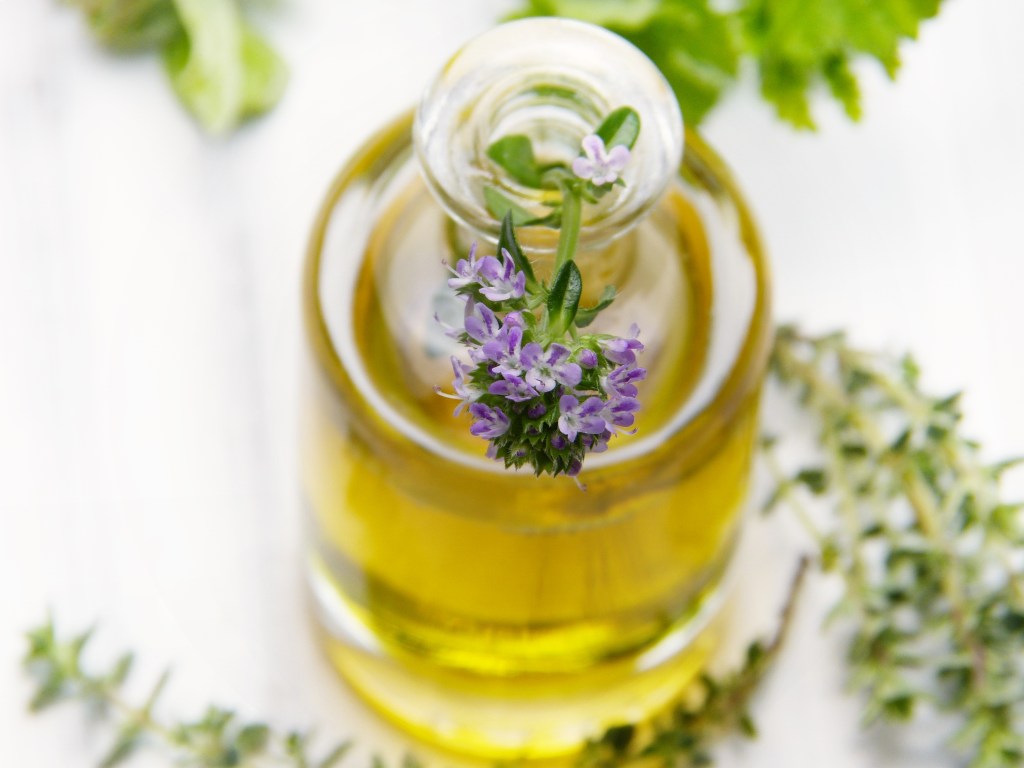
7. Lavender Essential Oil
Properties:
- Stress Reduction: Promotes relaxation and reduces stress, benefiting immune function.
- Anti-inflammatory: Helps reduce inflammation and supports healing.
- Antimicrobial: Offers mild antibacterial and antiviral effects.
Usage:
- Aromatherapy: Diffuse to promote restful sleep and reduce stress.
- Topical Application: Diluted application can soothe skin irritations and support wound healing.
Precautions:
- Generally safe; however, perform a patch test to check for skin sensitivity.
- Use in moderation and dilute appropriately.
Usage Tips and Safety Guidelines
- Dilution: Always dilute essential oils with a carrier oil before topical application. A general guideline is 2-3 drops of essential oil per teaspoon of carrier oil.
- Quality: Use high-quality, pure essential oils from reputable sources to ensure safety and efficacy.
- Allergies and Sensitivities: Perform a patch test before using a new essential oil to check for allergic reactions or sensitivities.
- Consult Healthcare Providers: Before using essential oils, especially if you are pregnant, nursing, have underlying health conditions, or are taking medications, consult with a qualified healthcare professional.
- Children and Pets: Use caution when using essential oils around children and pets, as some oils can be harmful. Always research or consult a professional regarding safe usage.
- Internal Use: Ingesting essential oils is generally not recommended unless under the supervision of a trained healthcare provider or certified aromatherapist.
Conclusion
Incorporating essential oils into your wellness routine may support your immune system through their various beneficial properties. They can be used in diffusers, inhaled directly, or applied topically with proper dilution. However, essential oils should complement, not replace, traditional medical treatments and healthy lifestyle practices such as a balanced diet, regular exercise, adequate sleep, and stress management.
Medical Disclaimer: The information provided here is for educational purposes only and is not intended as medical advice. Essential oils should be used responsibly and with awareness of individual health conditions and potential interactions. Always consult with a healthcare professional before starting any new health regimen involving essential oils.
I hope this information helps you understand how different essential oils can support your immune system!
Let me know if you have any other questions or need further details.
 Welcome