
Have you ever wondered what essential oils you should have on hand for yourself and your family?
I will be posting a quick reference guide to each essential oil to help you choose your personal apothecary.
We’re going to be going over what each oil is good for, how to use it, what it goes with to create a blend, and what to watch out for if you’re pregnant, planning to spend some time in the sun, or dealing with a particular ailment or medical condition.
As I sharing these with you we will be looking at pure, single essential oils, not at the many blended products that are available from just about any essential oil provider. Before you choose any of these blends many of with are touted by glowing testimonials on the distributors websites, or by sales representatives with long-winded spiels. Be sure that you know exactly which oils are in them.
Blends are meant as conveniences to help speed relief to you for an ailment, but they often contain oils you do not require for that purpose. Just as you would not mix up a handful of pills and swallow them without knowing what you were taking, be cautious in using blends that contain ingredients you do not require.
And as with all essential oils, check with your doctor before using any product to be sure it will not react with medications you are currently taking.
Be an informed consumer and take the safest path to overall wellness.
Ok, now that we got all that out of the way today we are going to be talking about…
THYME

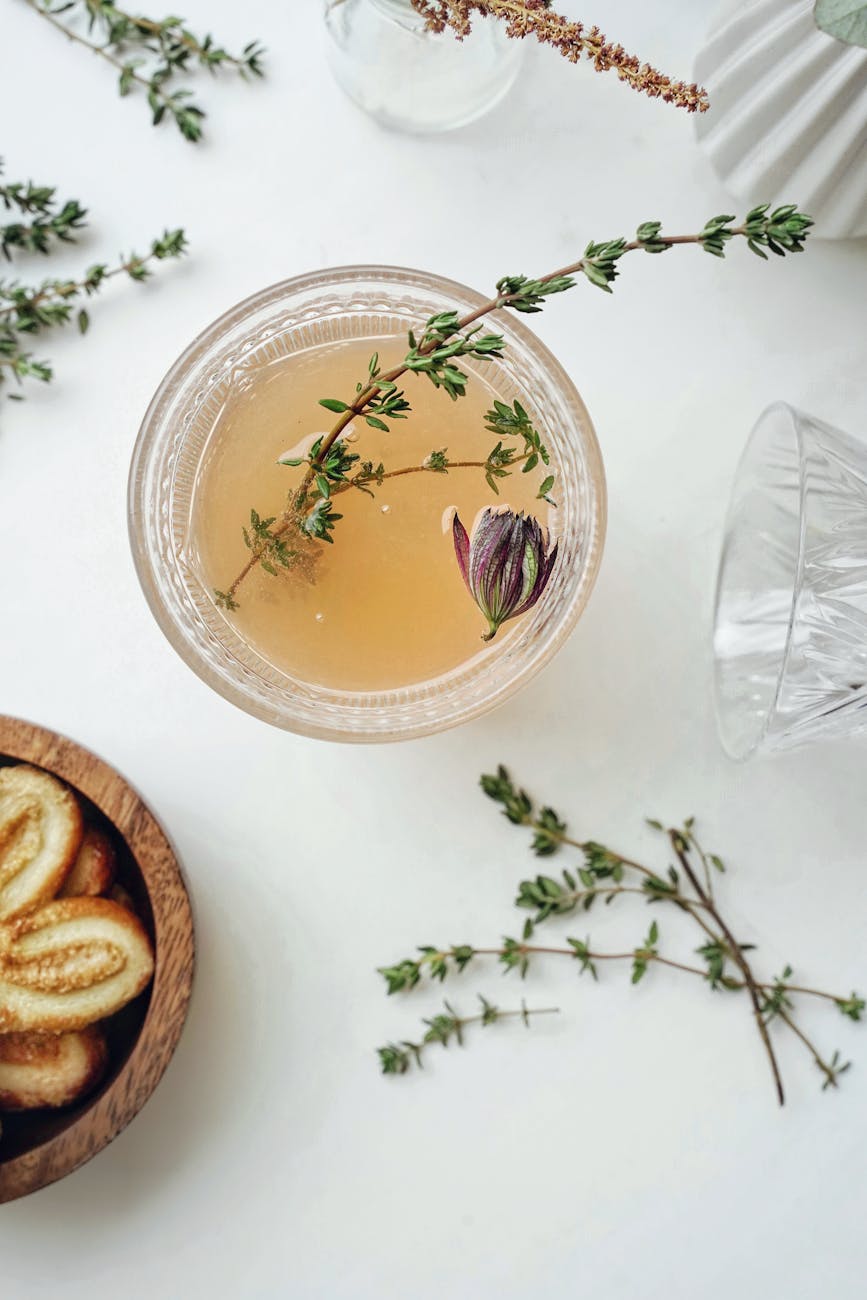
Given its herbal origins, thyme oil comes from one of the primary plants used in ancient medical practices. The oil is produced from the herb’s flowering tops and leaves through steam distillation.
WHAT IS IT USED FOR
HOW IT’S USED
- In a vaporizer
- In a massage oil blend
- In a bath
- In a cream blend or lotion blend
- In a neat (undiluted) applications
COMPLEMENTARY OILS
- Lavender: Known for its calming and soothing properties, lavender oil balances the strong, herbaceous scent of thyme. Together, they can create a blend that promotes relaxation and stress relief.
- Rosemary: Often used for respiratory support and mental clarity, rosemary complements thyme’s respiratory benefits. This combination can be particularly effective in diffusers for clear breathing and enhanced focus.
- Eucalyptus: Eucalyptus oil enhances thyme’s respiratory benefits. This combination is effective for easing congestion and improving breathing, making it a popular choice in inhalation therapies.
- Tea Tree: Both thyme and tea tree oils have powerful antimicrobial and antifungal properties. Together, they can be used in skin care treatments for acne or other infections, as well as in cleaning products for a potent natural disinfectant.
- Lemon: Lemon oil adds a fresh, citrusy note to thyme’s strong scent, creating an invigorating and uplifting blend. This combination is great for boosting energy and enhancing mood, as well as for use in natural cleaning products.
- Peppermint: Peppermint oil pairs well with thyme for relieving respiratory issues and muscle pain. The cooling effect of peppermint complements the warming sensation of thyme, making this blend useful in massage oils for sore muscles.
- Oregano: Like thyme, oregano has strong antimicrobial properties. Together, they create a powerful blend for immune support and fighting infections, though this combination should be used with care due to the potency of both oils.
- Frankincense: Frankincense oil adds grounding and calming effects to thyme’s stimulating properties, creating a balanced blend that can be used for meditation, relaxation, and immune support.
WHAT TO WATCH OUT FOR:
- Skin Irritation and Sensitivity: Thyme essential oil is potent and can cause skin irritation, especially if used undiluted. Always dilute it with a carrier oil (like coconut, jojoba, or almond oil) before applying it to the skin. Perform a patch test on a small area of skin to check for any allergic reactions or sensitivity.
- Allergic Reactions: Some individuals may be allergic to thyme oil. Symptoms can include redness, itching, or swelling. If you experience any of these, discontinue use immediately and consult a healthcare professional.
- Photosensitivity: Thyme oil can cause photosensitivity, making the skin more sensitive to sunlight and increasing the risk of sunburn. Avoid sun exposure on areas where thyme oil has been applied, or cover the skin and use sunscreen if you need to be outdoors.
- Internal Use: Thyme oil is very concentrated and should not be ingested unless under the guidance of a qualified healthcare professional. Ingesting thyme oil can lead to adverse effects, including nausea, vomiting, or stomach upset.
- Pregnancy and Breastfeeding: Thyme essential oil is not recommended for use during pregnancy or breastfeeding due to its strong properties, which could potentially affect hormonal balance or cause uterine contractions.
- Children and Pets: Thyme oil should be used with caution around children and pets. It is not generally recommended for use on children under two years old. For older children and pets, use highly diluted concentrations and monitor closely for any adverse reactions.
- Interaction with Medications: Thyme oil may interact with certain medications, especially those related to blood pressure, blood thinners, or those that affect hormone levels. Consult with a healthcare provider before using thyme oil if you are taking any medications.
- Respiratory Sensitivity: While thyme oil can benefit respiratory health, its strong scent may be irritating to people with asthma or other respiratory conditions. Use it in well-ventilated areas and start with small amounts to gauge tolerance.
BLEND OF THE DAY: DANDRUFF
There are lots of dandruff shampoos and medicated products that you can buy, but none will solve the problem permanently. However, essential oils and some changes to your hair-care regimen can go quite a long way toward solving the problem.
ESSENTIAL SHAMPOO:
8 ounces unscented shampoo (this is available at natural foods stores or you can order it online)
10 drops lavender essential oil
4 drops tea tree essential oil
- Pour the shampoo into an 8 ounce dark-colored glass bottle to closes tightly.
- Add the lavender and tea tree essential oil to the shampoo, and shake well to blend. (Personally I prefer to mix in a glass or ceramic bowl then add it to the bottle)
- Apply a quarter-size amount to your hair.
- Lather, and wait 30 seconds before rinsing.
OVERNIGHT CONDITIONING BLEND:
1 ounce spring water (bottled water)
1 tablespoon apple cider vinegar
5 drops carrot essential oil
5 drops eucalyptus essential oil
5 drops thyme essential oil
3 drops sage essential oil
- Pour the spring water and apple cider vinegar into a dark-colored glass bottle that closes tightly.
- Add carrot, eucalyptus, thyme, and sage essential oils to the bottle, and shake well to blend.
- At bedtime, pour 1 teaspoon of this blend into the palm of your hand, and massage it into your scalp.
- Leave the blend in overnight.
- In the morning, wash your hair with the shampoo described earlier in this section.
OVERNIGHT DERMATITIS BLEND
1 teaspoon jojoba carrier oil
4 drops tea tree essential oil
- At bedtime, pour the jojoba carrier oil into a teaspoon.
- Add the tea tree essential oil to the carrier oil.
- Pour this blend into the palm of your hand, and massage it into your scalp.
- Leave the blend in overnight
- In the morning, wash your hair with the shampoo.
- Repeat this treatment every night until your scalp stops itching.
Medical Disclaimer: The information provided regarding essential oils is intended for educational purposes only and should not be considered as medical advice. Essential oils should not be used as a substitute for professional medical treatment or diagnosis. Always consult with a qualified healthcare provider before using essential oils, especially if you are pregnant, nursing, have a medical condition, or are taking any medications. Some essential oils can cause allergic reactions or interact with medications. Always perform a patch test before applying essential oils to the skin, and dilute them with a carrier oil to avoid skin irritation. The use of essential oils should be done with caution, particularly with children, the elderly, and individuals with sensitive skin. The information provided here is not intended to diagnose, treat, cure, or prevent any disease.
I hope you enjoyed this article!
Be sure to like, share and leave a comment
Visit our blog for more!
Sources:
Book: An Introductory Guide Essential Oils and Aromatherapy by Sonoma Press
ISBN #9780989558693
Information pulled September 2024
 Welcome