
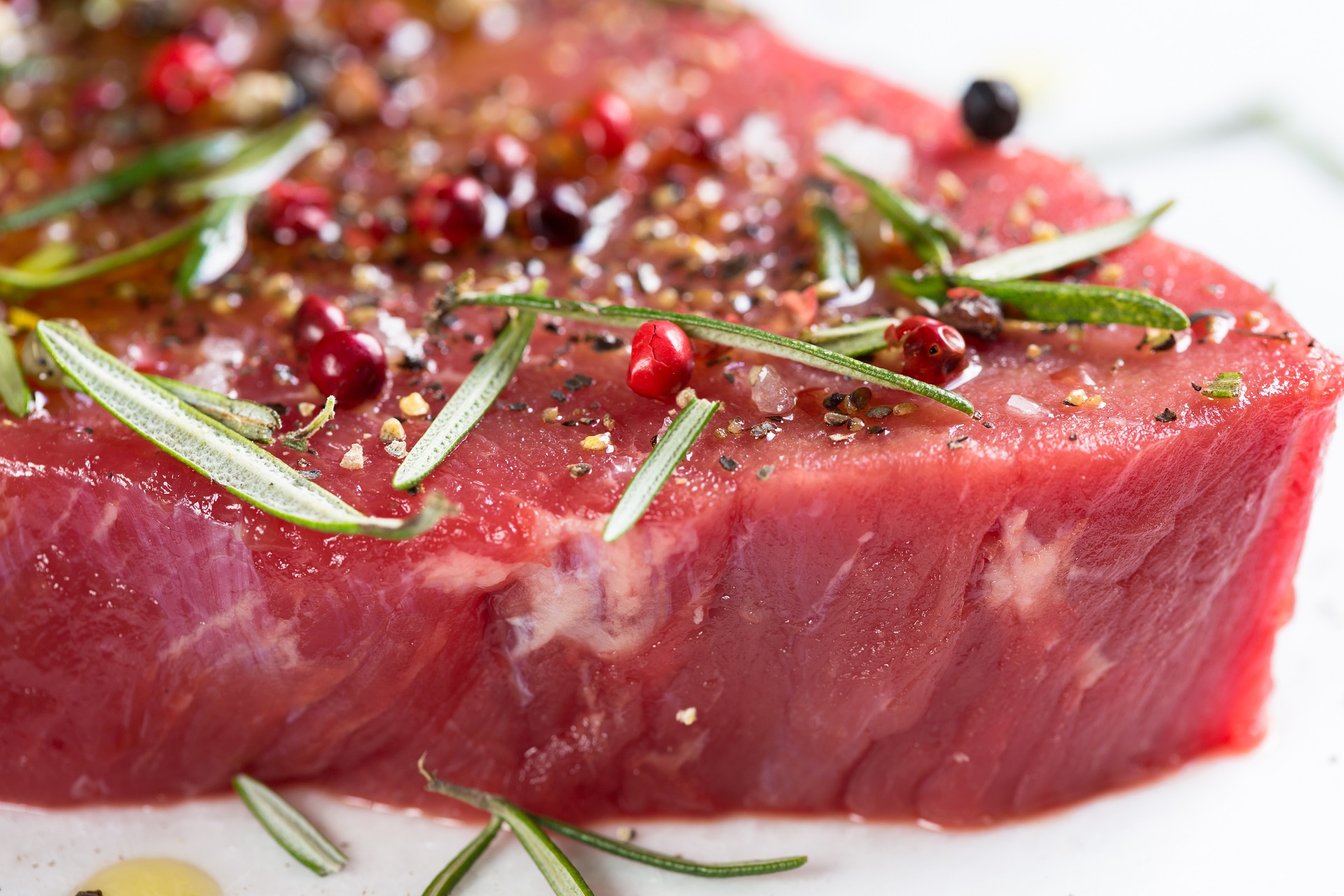
For years, red meat has been cast as the villain of heart health—labeled as a direct cause of high cholesterol and cardiovascular disease. But modern nutrition science is far more nuanced than the old headlines would have you believe.
So, is your steak really sabotaging your heart? Let’s clear the air: red meat doesn’t automatically raise your cholesterol—and in many cases, it’s not a problem at all.
Here’s why.
🧬 1. Red Meat Isn’t All the Same
When people talk about “red meat,” they often lump together lean cuts of beef with bacon, sausage, and hot dogs. But processed red meats (which often contain additives, preservatives, and excess sodium) are very different from unprocessed, whole red meats like a grass-fed steak or ground beef.
A large-scale meta-analysis in the American Journal of Clinical Nutrition found no significant link between unprocessed red meat and heart disease. The real risks were linked to processed meats.
✅ Source: Micha, Mozaffarian et al. (2010) – Red Meat and Heart Disease Meta-analysis
💉 2. Dietary Cholesterol ≠ Blood Cholesterol (for Most People)
One of the biggest myths in nutrition is that eating cholesterol-rich foods like red meat or eggs directly raises your blood cholesterol. In reality, the liver balances your internal cholesterol production. When you eat more from food, the liver often produces less.
The 2015–2020 Dietary Guidelines for Americans even removed the previous cholesterol limit, stating that “cholesterol is not a nutrient of concern for overconsumption.”
✅ Source: U.S. Department of Health – Dietary Guidelines 2015–2020
🧪 3. Not All LDL Cholesterol Is Harmful
Yes, red meat contains saturated fat, which can raise LDL (“bad”) cholesterol—but here’s what’s often missed:
There are different types of LDL. Small, dense LDL particles are more dangerous, while large, fluffy LDL particles are less likely to cause plaque buildup.
Eating red meat may slightly raise LDL levels for some, but it can also raise HDL (“good”) cholesterol and shift LDL to a less harmful pattern—especially when eaten in the context of a healthy diet.
✅ Source: Krauss et al. (2006) – Saturated Fat and Lipoprotein Profiles
🥗 4. Red Meat in a Whole-Food Diet Can Be Heart-Healthy
The problem isn’t usually the red meat—it’s what comes with it. Diets that include red meat alongside refined carbs, sugar, trans fats, and low fiber are what truly raise cholesterol and heart disease risk.
However, when red meat is part of a balanced, whole-food diet—rich in vegetables, fiber, healthy fats, and physical activity—it does not appear to negatively impact cholesterol.
✅ Source: Bergeron et al. (2019) – Unprocessed Red Meat in a Healthy Diet
🔥 5. How You Cook Meat Matters More Than You Think
Frying meats at high heat can create harmful compounds like advanced glycation end-products (AGEs) and heterocyclic amines (HCAs). These compounds—not the meat itself—may contribute to inflammation and cardiovascular risk.
Instead, slow cooking, baking, or pan-searing meat can help minimize these risks.
✅ Source: Harvard T.H. Chan School of Public Health – Cooking Methods and Heart Health
❤️ The Bottom Line
Red meat doesn’t deserve its bad reputation—at least not in the way it’s often portrayed. The latest science shows:
- Unprocessed red meat, in moderation, is not a major driver of high cholesterol.
- Diet quality, food preparation, and lifestyle choices play much bigger roles in heart health.
- Instead of fearing red meat, we should focus on reducing ultra-processed foods, sugar, and trans fats, while eating more fiber-rich, anti-inflammatory foods.
As always, nutrition isn’t one-size-fits-all. Talk to a healthcare professional about what’s right for you, but don’t be too quick to toss your steak out with the science.
Have questions about your cholesterol or how to eat for better heart health?
Drop a comment or reach out—I’d love to help you navigate it naturally.
 Welcome