

1. Prioritize Rest & Mindfulness

- Nap when possible: Resting during the baby’s sleep is vital—even short naps help reset fatigue and stress nypost.com+3herbalreality.com+3stamfordhealth.org+3henryjaustin.org+1stamfordhealth.org+1.
- Practice mindfulness: Gentle breathing, journaling, or guided meditation fosters emotional healing and lowers stress levels after birth .
2. Nourishing Nutrition & Hydration
- Eat balanced, warm, nutrient-dense meals: Aim for real-food sources—lean proteins, whole grains, healthy fats like avocados and nuts, and omega‑3 rich foods (e.g. salmon, flax) to support mood and tissue repair eatingwell.com.
- Extra hydration for breastfeeding: If nursing, drink plenty of water, herbal teas, and broths—breastfeeding moms generally need ~500 additional calories/day eacuwell.com+3eatingwell.com+3henryjaustin.org+3.
- Postpartum snacks: Include protein- and fiber-rich options—nuts, seeds, fruits—to support energy and digestion sciencedirect.com+3henryjaustin.org+3eatingwell.com+3.
3. Gentle Movement & Pelvic Care
- Begin light activity: Once your provider clears you (usually around six weeks), start with walks, diaphragmatic breathing, and light core activation. These support pelvic and abdominal recovery .
- Pelvic floor therapy: Targeted exercises can reduce pain, urinary issues, and strengthen pelvic support—many countries recommend early therapy parents.com.
4. Perineal & Hemorrhoid Comfort

- Warm Sitz Baths: Soaking in a warm, shallow bath helps soothe soreness, reduce swelling, and promote healing. Enhance it with calming herbs like lavender, calendula, chamomile, comfrey, and yarrow (via bath or peri bottle) mamanatural.com+1nypost.com+1.
- Witch Hazel “padsicles”: Freeze soaked pads for cooling relief on hemorrhoids or perineal discomfort—witch hazel’s antiseptic and anti-inflammatory benefits are well-supported tenshire.co.nz+7genesisobgyn.net+7mayoclinic.org+7.
- Cold & warm compresses: Alternate use to ease pain and reduce swelling in pelvic and hemorrhoid areas .
5. Herbal Support with Caution
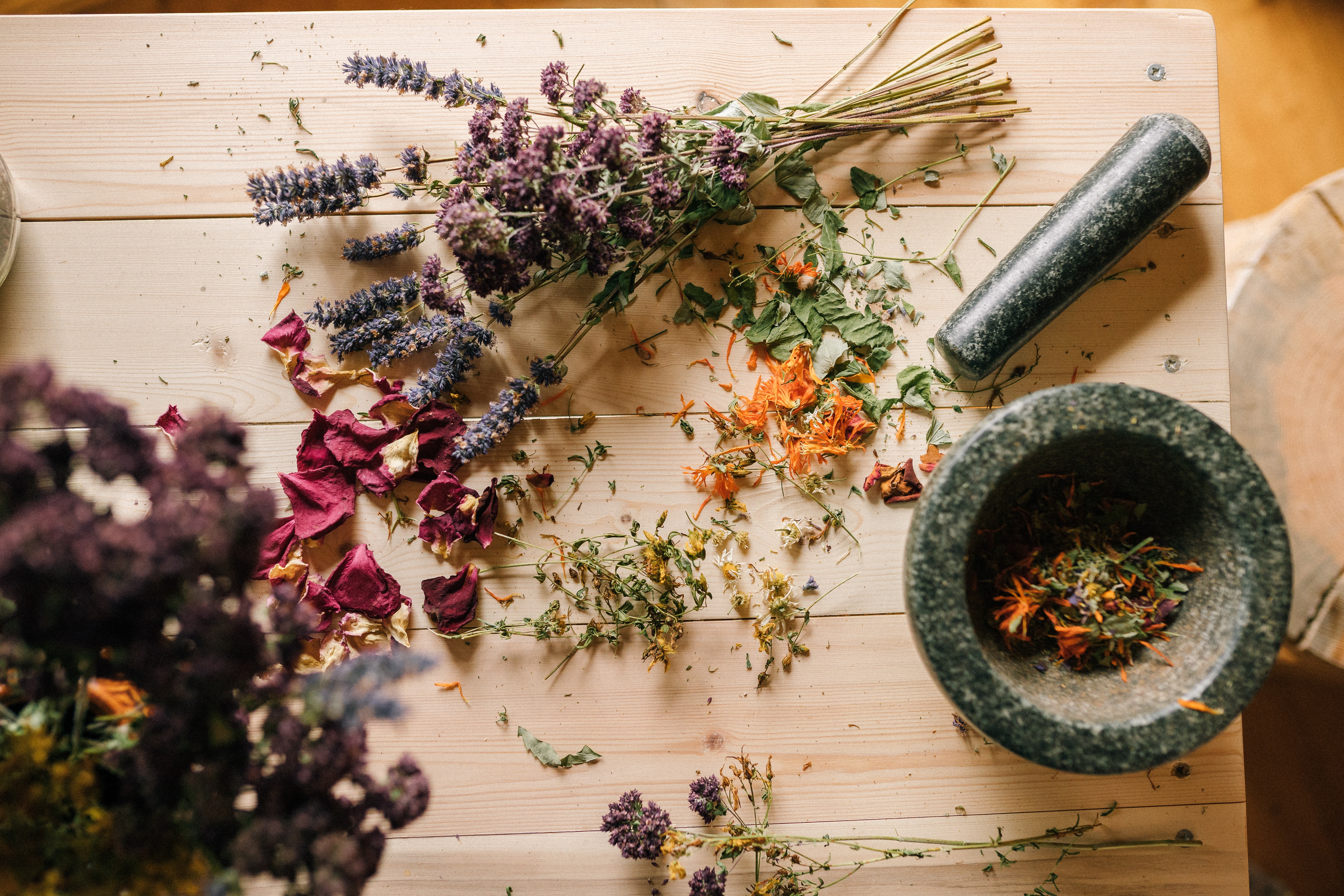
- Fenugreek, goat’s rue, milk thistle: Popular galactagogues that may support milk supply—but should only be used under medical advice thewomens.org.au+2stamfordhealth.org+2herbalreality.com+2.
- Hormonal tonics: Herbs like Vitex (chasteberry), vervain, and goat’s rue may help rebalance hormones and reduce fatigue herbalreality.com.
- Pain‑relieving herbs: Preliminary studies suggest ginger extract and lavender oil may relieve postpartum pain—but always ask your provider before use jogcr.com.
- ⚠️ Safety first: Some herbal remedies lack efficacy or may pose risks. Always check with your healthcare provider before taking herbal supplements, especially while breastfeeding .
6. Emotional & Physical Support

- Massage and touch therapy: Postpartum massage (including abhyanga warm-oil massages) can lower cortisol, lift mood, and aid physical recovery herbalreality.com+1nypost.com+1.
- Social support “care train”: Enlist help for meals, chores, and baby care. A reliable support network is linked to lower postpartum stress and risk of depression nypost.com.
- Skin-to-skin contact: Regular kangaroo care supports oxytocin release, bonding, and maternal well-being pubmed.ncbi.nlm.nih.gov+15en.wikipedia.org+15stamfordhealth.org+15.
7. Active Monitoring for Postpartum Depression
- Non‑drug strategies: Therapy (cognitive behavioral or interpersonal), exercise, massage, and breakfast rituals are effective complements to medical treatments nypost.com+4utswmed.org+4fammed.wisc.edu+4.
🧠 Tips for Safe, Natural Recovery
| Tip | Why It Matters |
|---|---|
| Always consult your doctor | Especially before using herbs, supplements, or starting new therapies. |
| Combine approaches | Rest, nutrition, movement, and emotional care—when used together—offer the best outcomes. |
| Personalize your routine | Each postpartum journey is unique—prioritize what feels restorative for you. |
In summary, nurturing rest, hydration, a nutrient-rich diet, light movement, pelvic care, emotional support, and careful use of herbs provides a powerful foundation for postpartum wellness. Pair these natural approaches with attentive medical care and a community that lifts you up.
Take gentle care of yourself—you deserve it! 💛
 Welcome