

Back-to-school season is an exciting time filled with new routines, friends, and learning opportunities. But it also comes with something less exciting—exposure to more germs. As kids return to classrooms, playgrounds, and after-school activities, their immune systems are put to the test. The good news? There are plenty of natural ways to support and strengthen your child’s immune system so they can stay healthy, energetic, and ready to thrive.
1. Prioritize Quality Sleep

Sleep is one of the most powerful immune boosters. During sleep, the body produces infection-fighting cells and antibodies. Without enough rest, your child’s body is less able to ward off illnesses. School-aged children typically need 9–12 hours of sleep each night. Create a calming bedtime routine—dim lights, avoid screens an hour before bed, and encourage reading or quiet time to help them wind down.
2. Focus on a Nutrient-Rich Diet
A strong immune system starts in the kitchen. Fill your child’s plate with colorful fruits and vegetables, lean proteins, whole grains, and healthy fats. Key nutrients to prioritize include:
- Vitamin C: Found in citrus fruits, strawberries, bell peppers, and broccoli.
- Vitamin D: Supports immune function and can be obtained from sunlight, fortified foods, and supplements if needed.
- Zinc: Crucial for immune cell development, found in beans, seeds, nuts, and poultry.
- Probiotics: Healthy gut bacteria strengthen immunity. Yogurt, kefir, and fermented foods like sauerkraut are kid-friendly sources.
Encourage healthy snacks like apple slices with almond butter, veggie sticks with hummus, or a smoothie packed with berries and spinach.
3. Keep Hydration a Priority
Water plays an important role in flushing out toxins and keeping cells functioning properly. Dehydration can weaken the immune response. Encourage your child to drink water throughout the day by packing a reusable water bottle in their backpack. For kids who resist plain water, try naturally flavored options with cucumber, lemon, or berries.
4. Encourage Physical Activity
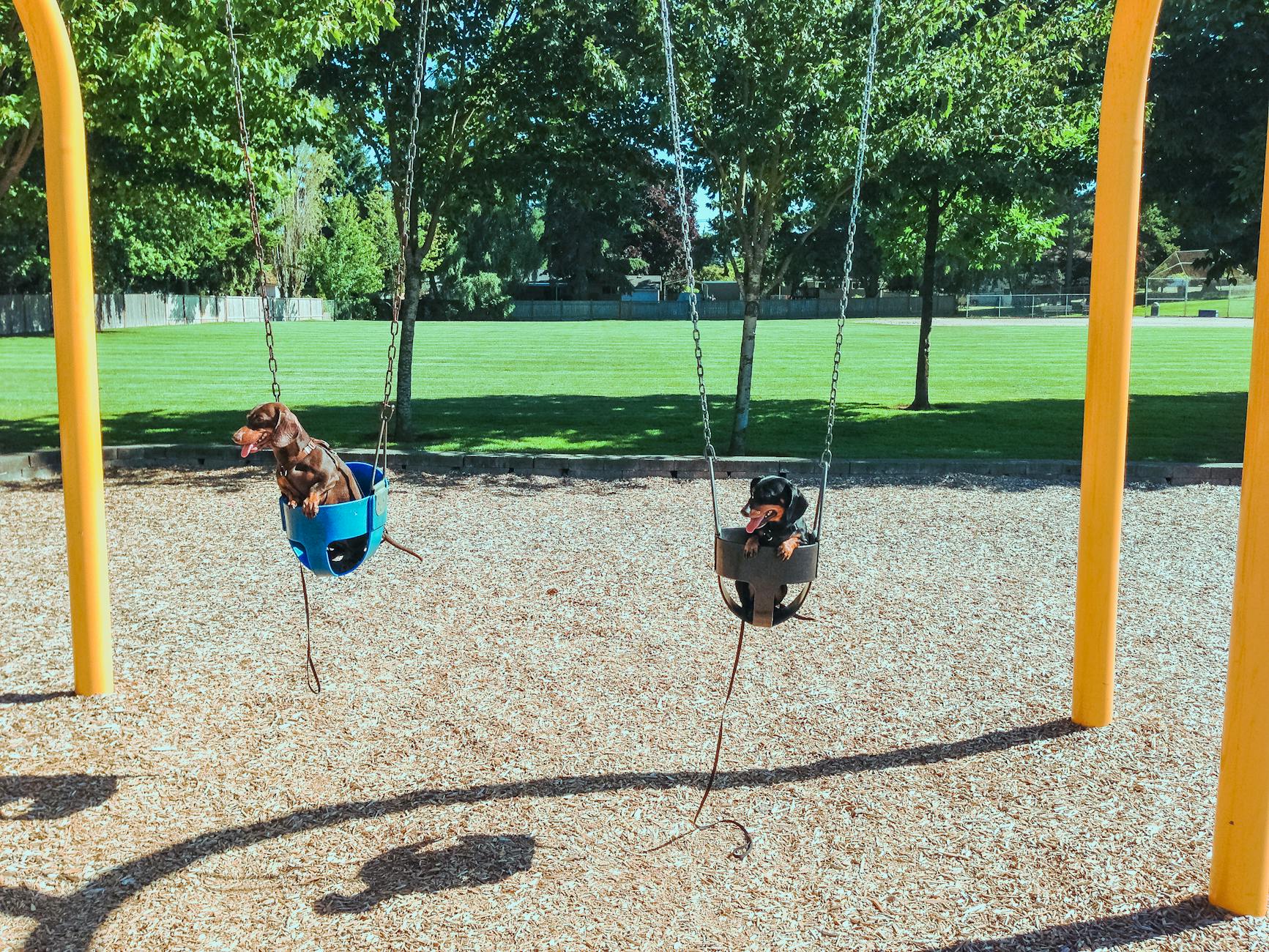
Regular exercise doesn’t just build strong bodies—it also supports a strong immune system. Physical activity increases circulation, helping immune cells move more freely throughout the body. Encourage outdoor play, sports, bike rides, or family walks. Aim for at least 60 minutes of active play per day.
5. Manage Stress and Emotions
Even children experience stress, especially during transitions like starting a new school year. Chronic stress can lower immunity. Help your child manage stress by encouraging open conversations about their feelings, practicing relaxation techniques like deep breathing, or even introducing mindfulness exercises. Fun activities like art, music, or time in nature can also be powerful stress relievers.
6. Limit Sugar and Processed Foods
Excess sugar can suppress immune function and feed unhealthy gut bacteria. While occasional treats are fine, try to limit sugary drinks, candies, and processed snacks. Replace them with nutrient-dense alternatives to keep your child’s immune system strong.
7. Encourage Good Hygiene Habits
Simple hygiene practices go a long way in preventing illness. Teach your child to wash their hands for at least 20 seconds before eating and after using the restroom. Encourage them to cover their coughs and sneezes and avoid sharing water bottles or utensils.
8. Support with Herbal Remedies (When Appropriate)
Certain herbs like elderberry, echinacea, and astragalus are known for their immune-supporting properties. Elderberry syrup, for example, has been shown to reduce the duration of colds. Always consult with your child’s healthcare provider before adding new supplements or remedies.
Final Thoughts
A strong immune system doesn’t come from one single habit—it’s the result of a balanced lifestyle that includes good nutrition, plenty of sleep, physical activity, and emotional well-being. By incorporating these natural strategies into your child’s daily routine, you’ll help set them up for a healthy, resilient school year.
 Welcome