

How to Stock a Natural Medicine Cabinet (and What to Avoid)
Creating a natural medicine cabinet is one of the most empowering steps you can take for your health. Instead of reacting to symptoms when they show up, a thoughtfully stocked cabinet allows you to support your body gently and proactively. The goal isn’t to replace medical care, but to have trusted, natural tools on hand for everyday discomforts while supporting your body’s innate ability to heal.
A natural medicine cabinet should feel supportive—not overwhelming. You don’t need dozens of products. You need a few high-quality, versatile staples that work with your body, not against it.
Essential Items for a Natural Medicine Cabinet
Herbal Teas
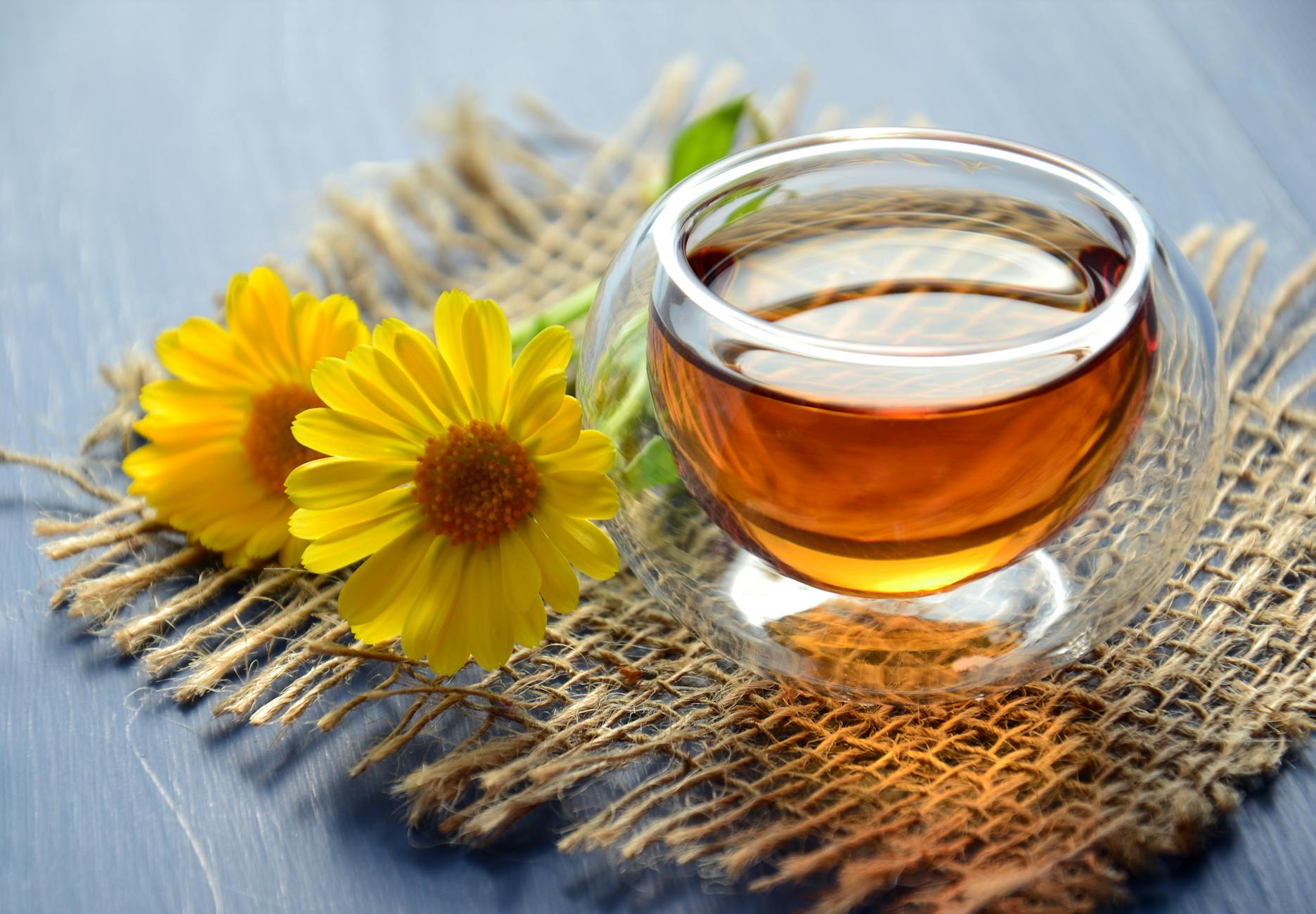
Herbal teas are often the foundation of natural healing. They are gentle, effective, and easy to use. Ginger tea supports digestion, nausea, and inflammation. Chamomile tea calms the nervous system, promotes sleep, and soothes tension. Peppermint tea helps with bloating, gas, and headaches. Keeping a few organic, loose-leaf or high-quality bagged teas on hand can go a long way.
Raw Honey
Raw, unfiltered honey is a powerful natural remedy. It soothes sore throats, helps calm coughs, and has natural antibacterial properties. It can also be used topically for minor cuts or skin irritation. Always choose local, raw honey when possible for maximum benefits.
Elderberry Syrup
Elderberry is well-known for immune support, especially during cold and flu season. It’s best used at the first sign of illness or preventively during times of increased exposure. Look for elderberry syrups with minimal added sugar and clean ingredients.
Arnica
Arnica is a must-have for bruises, muscle soreness, and minor injuries. It’s commonly used as a cream, gel, or salve and works best when applied soon after injury. Arnica is for external use only and should not be applied to broken skin.
Essential Oils (Used Mindfully)
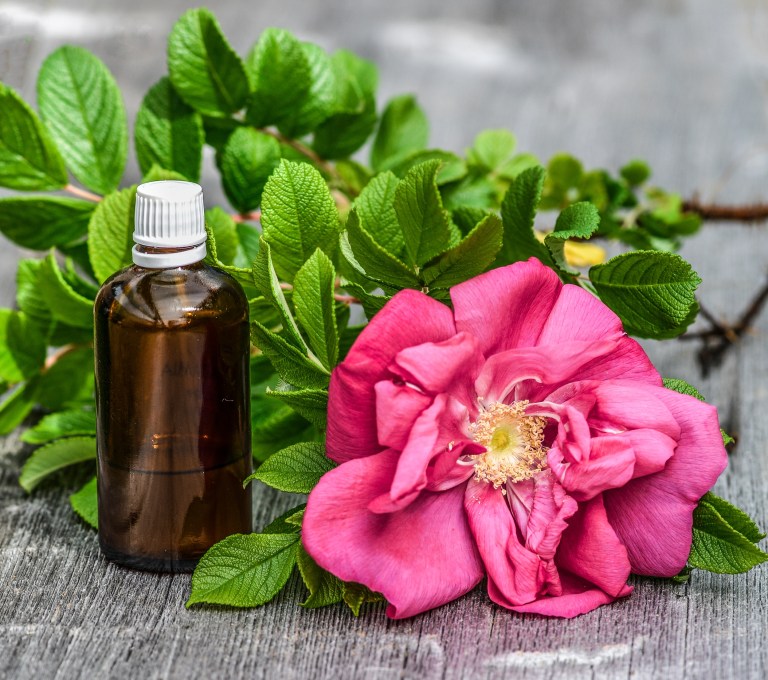
Essential oils can be powerful when used correctly. Lavender supports relaxation, stress relief, and sleep. Eucalyptus helps open airways and ease congestion. Tea tree oil is excellent for skin concerns due to its antimicrobial properties. Always dilute essential oils with a carrier oil and avoid internal use unless guided by a qualified professional.
Magnesium
Magnesium supports muscle relaxation, nervous system balance, and sleep quality. Many people are deficient in magnesium, making it a valuable addition to a natural medicine cabinet. Magnesium can be taken internally (as a supplement) or applied topically as a magnesium oil or lotion.
Activated Charcoal
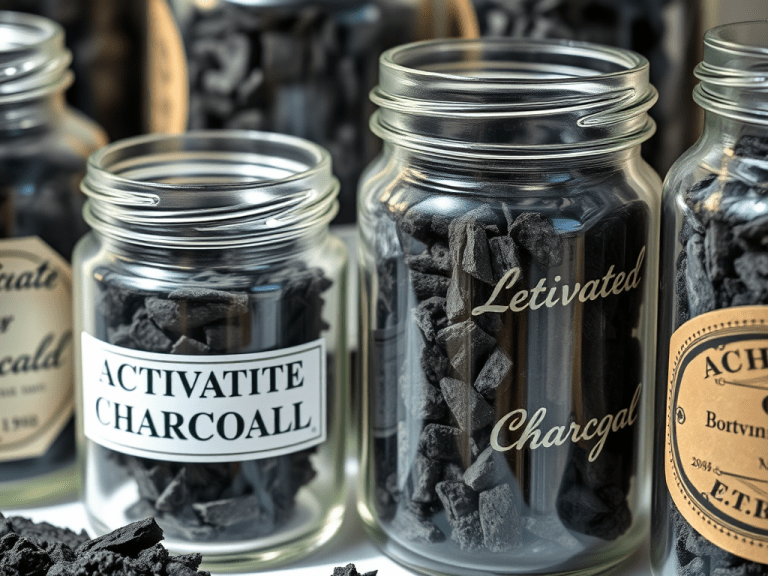
Activated charcoal can be helpful in cases of food poisoning, gas, or toxin exposure when used occasionally. It binds to toxins in the digestive tract, but because it can also bind to nutrients and medications, it should not be used daily or long-term.
Sinus Support Tools
A saline nasal spray or neti pot can help relieve sinus congestion, allergies, and dry nasal passages. Regular sinus rinsing can support respiratory health, especially during seasonal changes.
What to Avoid in a Natural Medicine Cabinet
While natural remedies can be incredibly beneficial, they must be used with care.
Avoid overusing essential oils internally or applying them undiluted to the skin. More is not better. Synthetic fragrances, dyes, and low-quality fillers can disrupt hormones and irritate sensitive systems—read labels carefully. Be cautious of “one-size-fits-all” supplements marketed as cure-alls. Everyone’s body is different, and what works for one person may not work for another.
Most importantly, avoid treating symptoms without addressing root causes. A headache, digestive issue, or fatigue is often your body communicating an imbalance—not something to silence without listening.
A Gentle Reminder
Natural does not mean harmless. Start slowly, choose quality over quantity, and pay attention to how your body responds. A natural medicine cabinet should feel like a source of support, not stress.
When you stock your cabinet with intention and awareness, you’re not just collecting remedies—you’re building a foundation for long-term wellness and self-trust. Your body knows how to heal. Sometimes, it just needs the right tools. 🌿✨
Disclaimer
The information provided in this blog post is for educational and informational purposes only and is not intended to diagnose, treat, cure, or prevent any disease. Natural remedies, herbs, supplements, and essential oils can affect individuals differently, and what works for one person may not work for another.
Always consult with a qualified healthcare provider, physician, or licensed practitioner before starting any new supplement, herbal remedy, or wellness practice—especially if you are pregnant, nursing, taking medications, or have a medical condition. Essential oils should be used with caution and properly diluted, and internal use should only be done under professional guidance.
This content is not a substitute for medical advice. If you are experiencing severe, persistent, or worsening symptoms, seek medical care immediately.
By using the information in this post, you acknowledge responsibility for your own health decisions and agree to use natural remedies mindfully and safely.
Sources:
Photo by Mareefe on Pexels.com
 Welcome