
If you love gardening but hate dealing with insects destroying your plants, the good news is that nature already has a solution. Many plants naturally repel harmful insects or attract beneficial ones that help protect your garden. This method, often called companion planting, allows you to reduce or even eliminate the need for chemical pesticides while keeping your garden healthy and thriving.
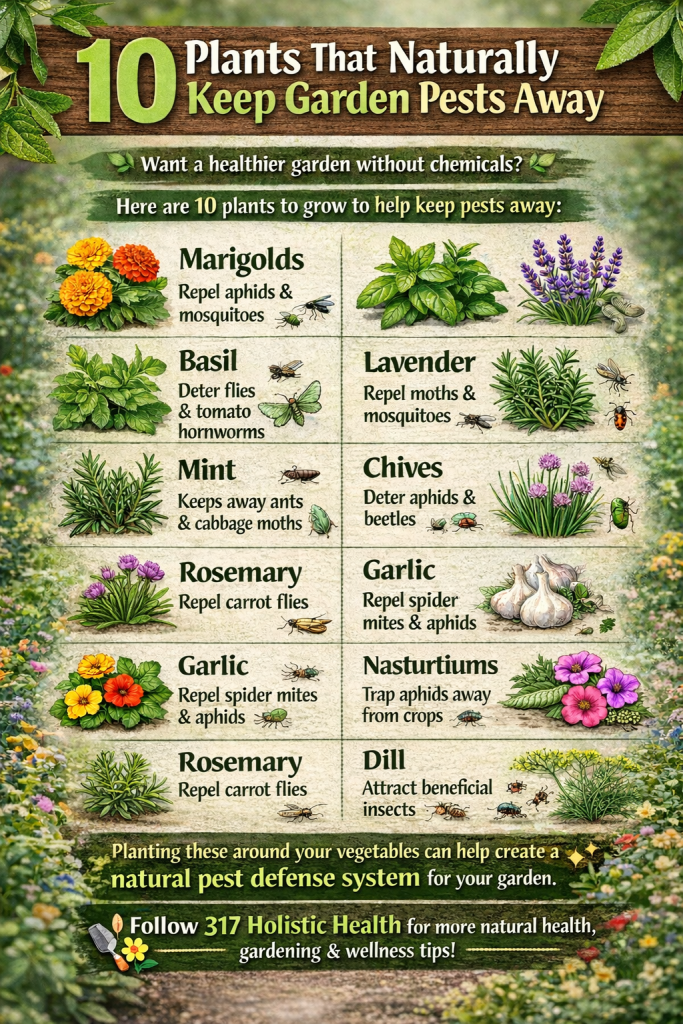
By strategically planting certain herbs and flowers around your vegetables and fruits, you can create a natural pest defense system that supports your entire garden ecosystem. Below are 10 powerful plants you can grow in your garden to help keep pests away naturally.
1. Marigolds
Marigolds are one of the most well-known pest-repelling plants in gardening. Their strong scent helps repel aphids, mosquitoes, whiteflies, and even harmful nematodes that live in the soil. Many gardeners plant marigolds along the edges of vegetable beds to create a protective barrier. Not only are they effective, but they also add bright color to your garden.
2. Basil
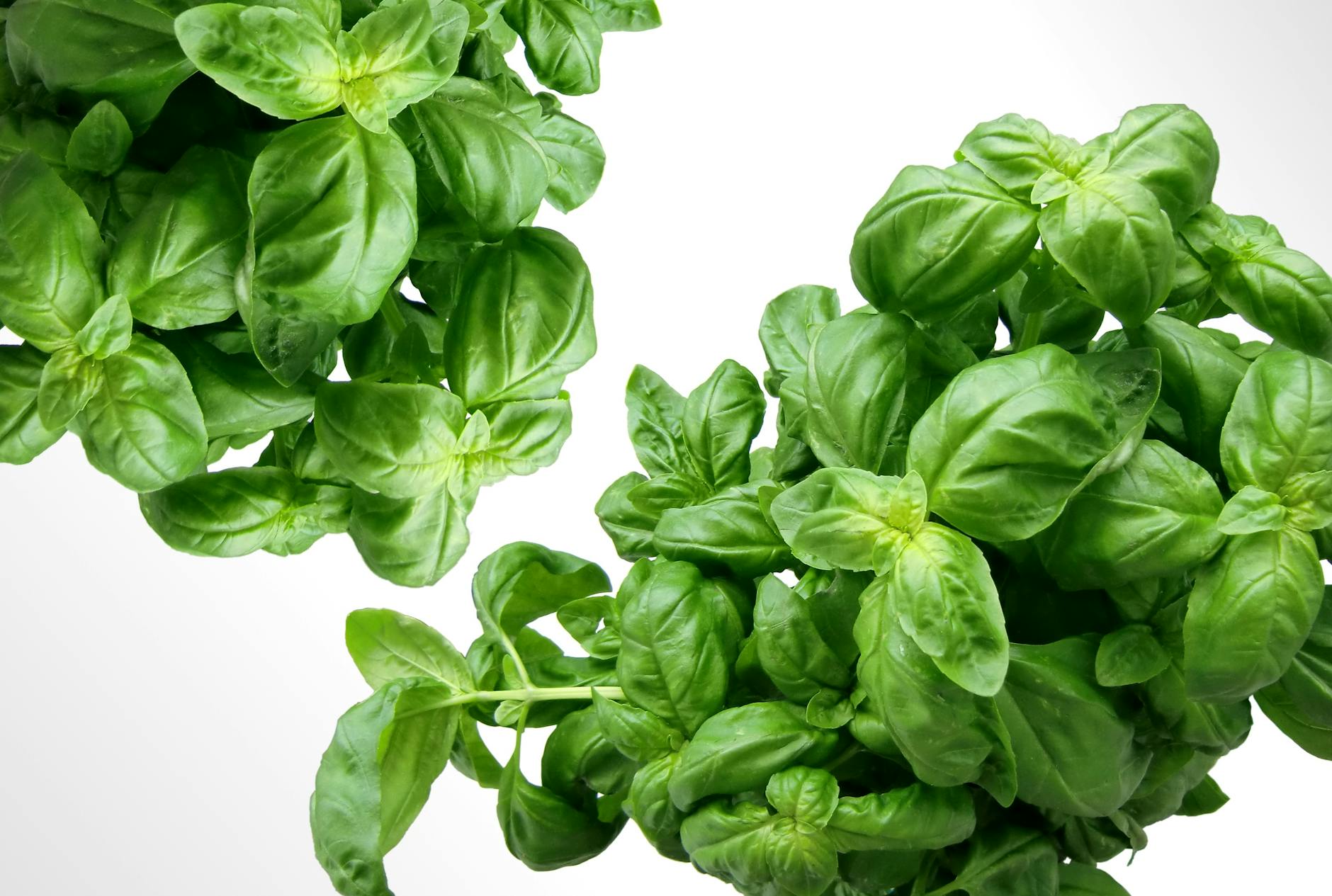
Basil is more than just a delicious culinary herb—it also works as a natural insect repellent. Basil helps deter flies, mosquitoes, and tomato hornworms. Planting basil near tomatoes is especially beneficial because it helps protect the plants while also providing fresh herbs for your kitchen.
3. Lavender
Lavender is loved for its calming scent, but many insects absolutely hate it. This fragrant plant helps repel moths, fleas, flies, and mosquitoes. Lavender also attracts pollinators like bees and butterflies, which are essential for a productive garden.
4. Mint
Mint is a powerful plant when it comes to pest control. It helps repel ants, fleas, cabbage moths, and even some rodents. Because mint spreads very quickly, many gardeners prefer to grow it in containers to prevent it from taking over the entire garden.
5. Chives
Chives are another excellent companion plant. They help deter aphids, Japanese beetles, and carrot rust flies. Their mild onion-like scent confuses pests that rely on smell to locate their favorite plants.
6. Rosemary
Rosemary is a hardy herb that thrives in sunny conditions and helps repel cabbage moths, carrot flies, and certain beetles. It grows well alongside many vegetables and also provides a wonderful culinary herb for cooking.
7. Garlic
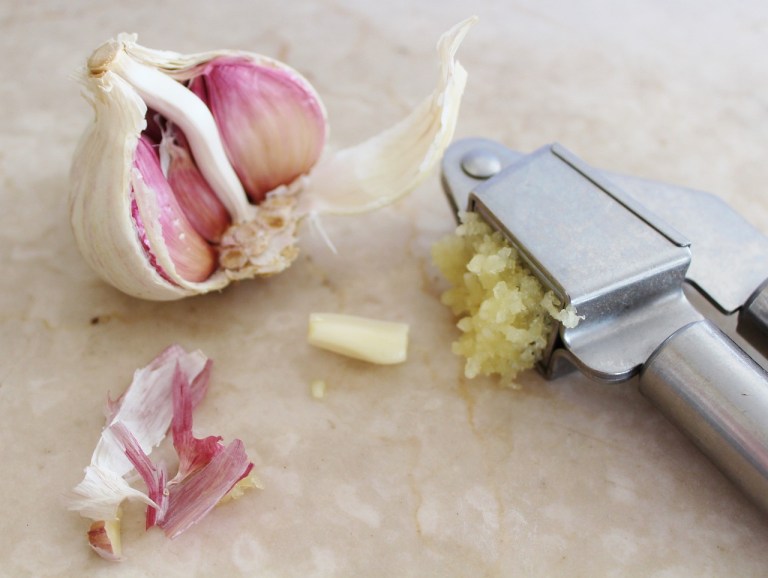
Garlic is one of the most powerful natural pest deterrents you can grow. Its strong sulfur compounds help repel aphids, spider mites, and many types of beetles. Planting garlic around garden beds can create a protective barrier that discourages pests from settling in.
8. Nasturtiums
Nasturtiums are often used as a trap crop, which means they attract pests away from your valuable vegetables. Aphids, whiteflies, and cucumber beetles tend to gather on nasturtiums instead of attacking your crops. These beautiful flowers also attract pollinators and beneficial insects.
9. Petunias
Petunias are colorful flowers that serve an important purpose in the garden. They can help repel aphids, tomato hornworms, asparagus beetles, and leafhoppers. Planting petunias among vegetables adds beauty while also protecting your plants.
10. Dill
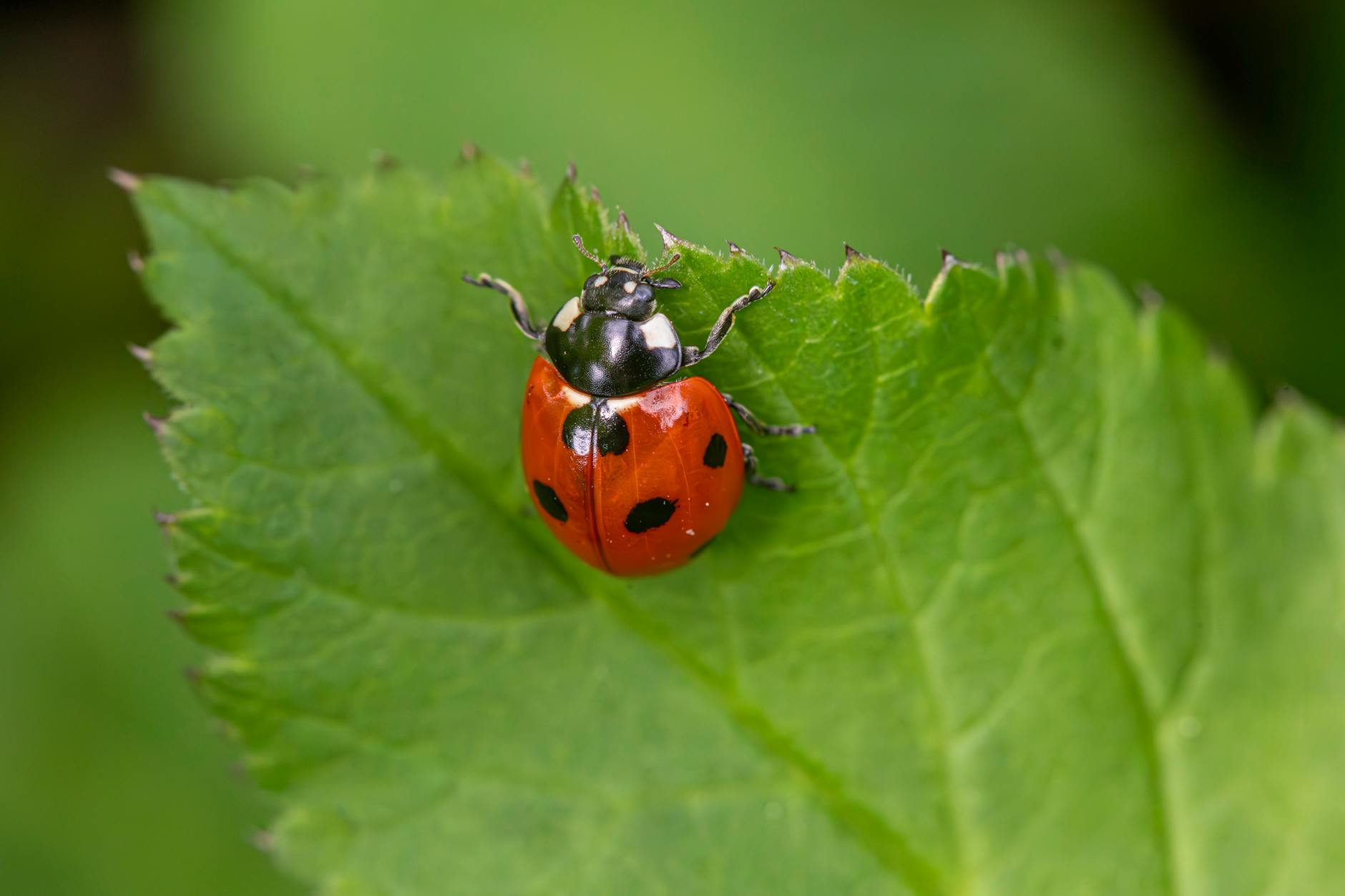
Dill is one of the best plants for attracting beneficial insects. Ladybugs, lacewings, and parasitic wasps are all drawn to dill flowers. These helpful insects feed on aphids, caterpillars, and other destructive pests, helping maintain a healthy balance in your garden.
Creating a Natural Pest Defense System
When these plants are combined throughout your garden, they create a powerful natural defense system. Some plants repel pests with their scent, others attract beneficial insects that hunt harmful bugs, and some act as trap crops that draw pests away from your vegetables.
Using plants as natural pest control is not only better for the environment but also safer for your family and pets. It helps maintain healthy soil, protects pollinators, and encourages biodiversity in your garden.
Whether you are planting a large backyard garden or a few containers on a patio, adding these pest-repelling plants can make a big difference in the health and productivity of your garden.
Gardening with nature instead of against it is one of the most effective and rewarding ways to grow food and flowers.
🌿 Follow 317 Holistic Health for more natural health, gardening, and wellness tips.
 Welcome