
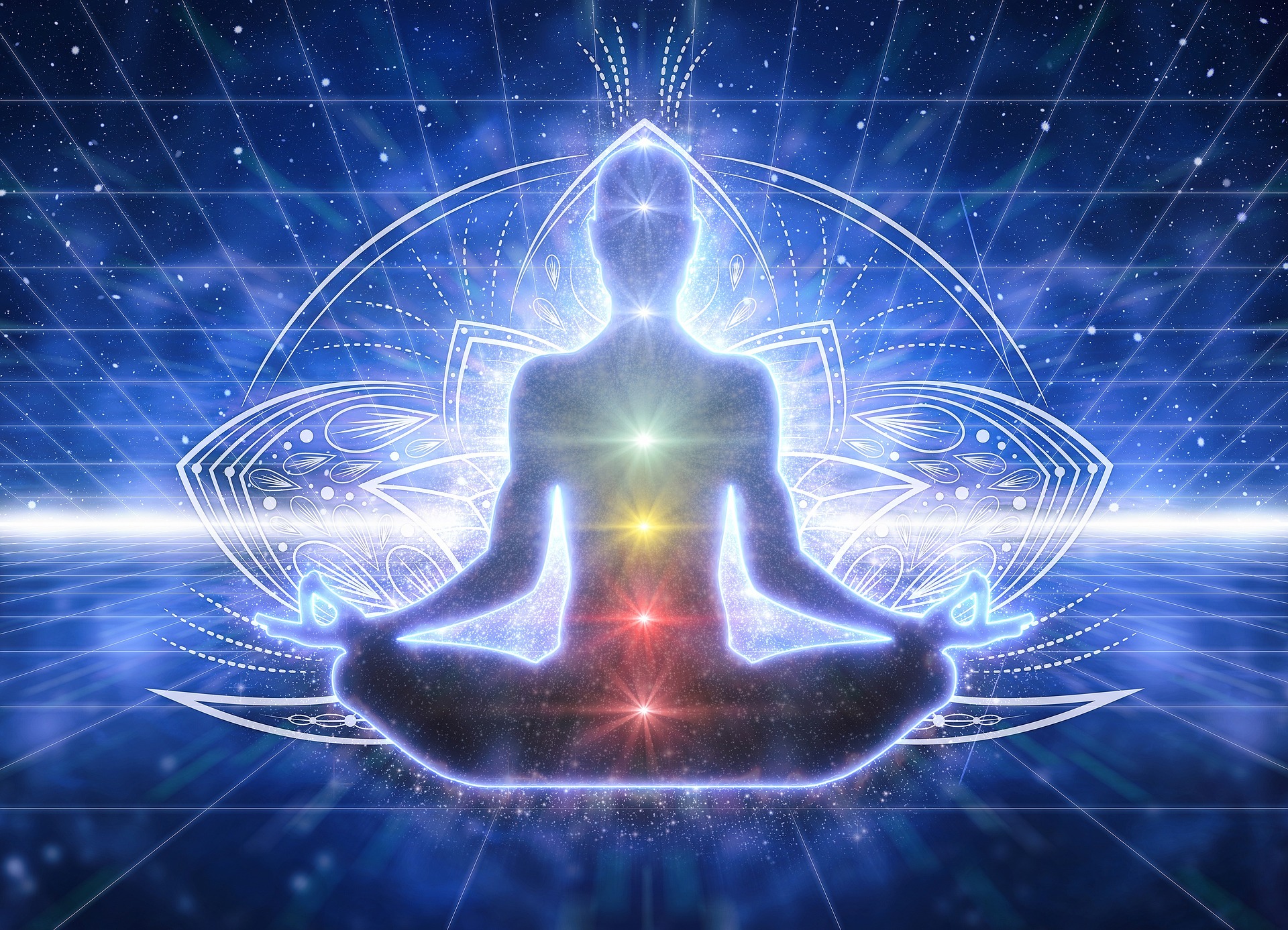
Reiki is a form of alternative therapy that originated in Japan in the early 20th century. The word “Reiki” is derived from two Japanese words: “rei,” which means universal or spiritual, and “ki,” which means life force energy. So, Reiki can be loosely translated as “universal life force energy.”
The practice of Reiki involves the transfer of this universal life force energy from the practitioner’s hands to the recipient’s body. This energy is believed to flow through pathways in the body known as meridians and chakras, promoting relaxation, stress reduction, and healing on physical, emotional, mental, and spiritual levels.

During a Reiki session, the recipient typically lies down fully clothed while the practitioner places their hands lightly on or near different parts of the body. The practitioner acts as a channel for the Reiki energy to flow, allowing it to go where it is needed most in the recipient’s body. The energy is said to help balance the body’s energy centers, remove energy blockages, and promote a sense of well-being and harmony.
Reiki is often used as a complementary therapy to support conventional medical treatment and promote relaxation and stress reduction. It is considered safe and gentle, making it suitable for people of all ages and health conditions.
While Reiki has gained popularity in Western countries as a holistic healing practice, its effectiveness is still a subject of debate in scientific and medical communities. Some studies suggest that Reiki may have benefits in reducing pain, anxiety, and depression, but more research is needed to fully understand its mechanisms and effects.
Reiki is often understood through the concept of three pillars that form its foundation. These pillars encompass the fundamental principles and elements of Reiki practice. The three pillars of Reiki are:
1. Gassho (Meditation and Intention): Gassho, which means “two hands coming together,” represents the practice of meditation and intention-setting in Reiki. It involves placing the hands together in a prayer-like position to quiet the mind, focus awareness, and cultivate a sense of presence and connection. Gassho meditation is central to Reiki practice as it helps practitioners center themselves, establish a connection with universal energy (Reiki), and set clear intentions for healing.
2. Reiju (Empowerment and Attunement): Reiju refers to the process of empowerment and attunement in Reiki, during which a Reiki master transmits the Reiki energy to the practitioner. This transmission of energy serves to awaken and align the recipient’s energy channels, enabling them to access and channel Reiki energy for healing purposes. Reiju empowers practitioners to become conduits for the flow of universal life force energy, enhancing their ability to facilitate healing for themselves and others.
3. Byosen (Scanning and Sensing): Byosen, often translated as “scanning” or “sensing,” involves the practice of intuitively detecting and assessing energy imbalances within the body during a Reiki session. Practitioners use their hands to gently scan the recipient’s energy field, paying attention to areas of congestion, stagnation, or imbalance. Byosen scanning allows practitioners to identify the root causes of physical, emotional, or spiritual dis-ease and to direct Reiki energy to those areas for healing and rebalancing.
These three pillars of Reiki work together synergistically to form the foundation of Reiki practice and facilitate the healing process. Gassho meditation helps practitioners establish a receptive state of mind and set clear intentions for healing. Reiju empowers practitioners to access and channel Reiki energy effectively, while Byosen scanning enables them to intuitively sense and address energy imbalances within the body. Together, these pillars support the holistic approach to healing in Reiki, promoting physical, emotional, mental, and spiritual well-being for both practitioners and recipients alike.
Schedule your first session with Tashina today!

Thank you for reading and if you haven’t already be sure to follow us on…

