
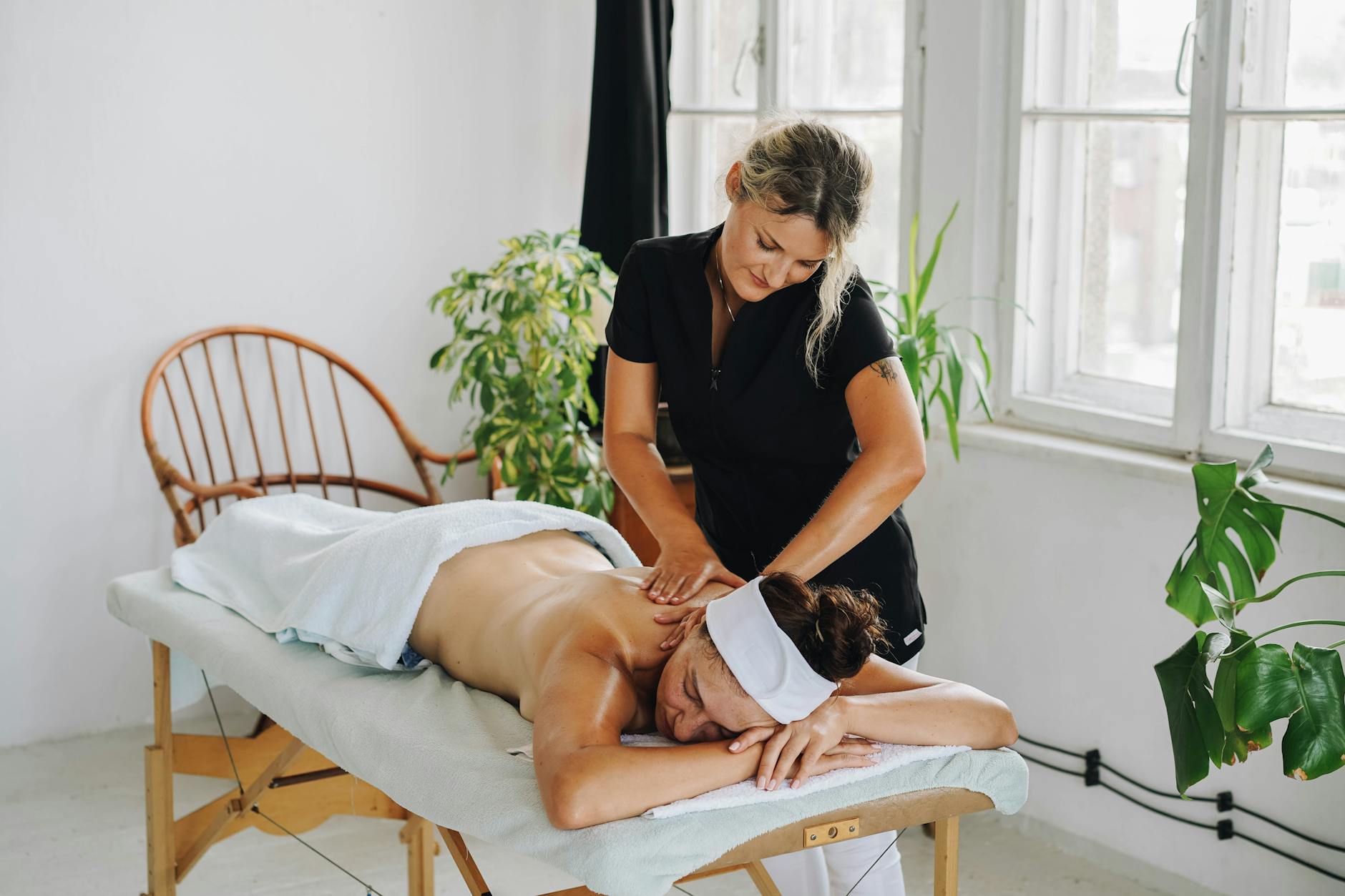
Decorating your massage room thoughtfully is essential for creating a serene, inviting environment that enhances the overall experience for clients. A well-designed space can help clients feel more relaxed, promote healing, and elevate your practice’s professionalism. Here are key elements to consider for an ideal massage room decoration:
1. Color Scheme
The colors you choose set the tone for the entire room. Opt for soft, calming hues like pastels or earth tones. Shades of blue, green, beige, and lavender are ideal for creating a peaceful, healing atmosphere. These colors are known to reduce stress and promote relaxation. Avoid bright, bold colors as they may feel overwhelming. You can add small pops of color through accessories like cushions or artwork, but the main palette should remain soothing.
2. Lighting
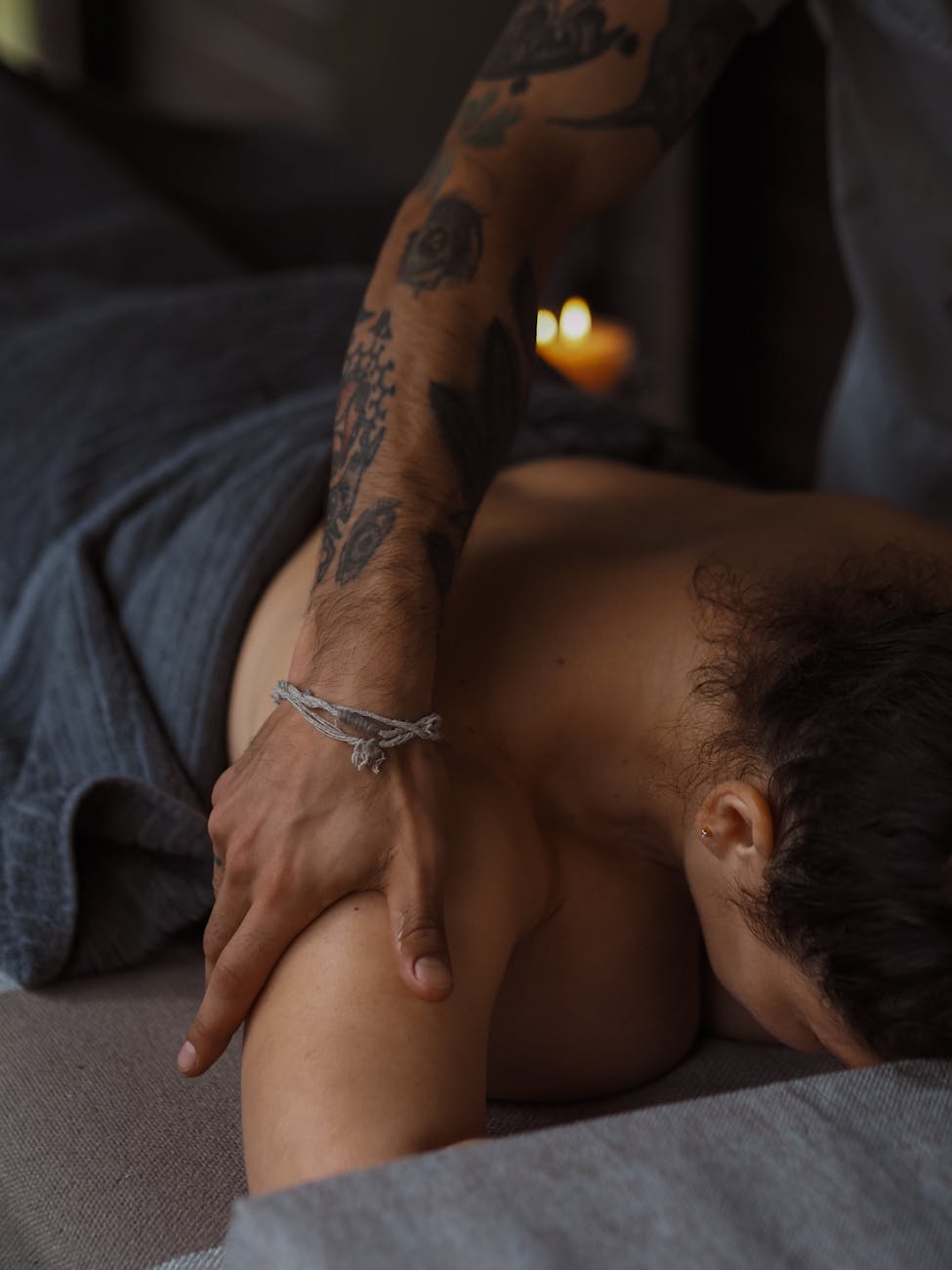
Lighting plays a crucial role in establishing the right ambiance. Use soft, warm lighting that creates a gentle glow instead of harsh overhead lights. Dimmer switches are a great way to control the intensity of the light, allowing you to adjust it according to the client’s preferences. Candles (real or LED) are another option for a warm, calming effect, and salt lamps can provide a beautiful, soft light while also purifying the air. Natural light is ideal, but if you have windows, use sheer curtains to diffuse direct sunlight and maintain privacy.
3. Furnishings and Layout
Keep furnishings minimal but functional. A comfortable, high-quality massage table is, of course, the centerpiece. Choose one that blends with the room’s color scheme. Soft, comfortable linens in neutral tones enhance the sense of calm. Additionally, have a small side table for oils, towels, and equipment. A comfortable chair for clients to sit on before and after their session is a thoughtful touch.
Avoid clutter—everything should have a purpose, from storage to décor. Opt for natural materials like wood or bamboo for a grounded feel. A storage cabinet or shelves can be used to store supplies while maintaining a clean, uncluttered space. Ensure the room layout allows free movement for you and the client, contributing to a smooth flow during the session.
4. Aromatherapy and Scents
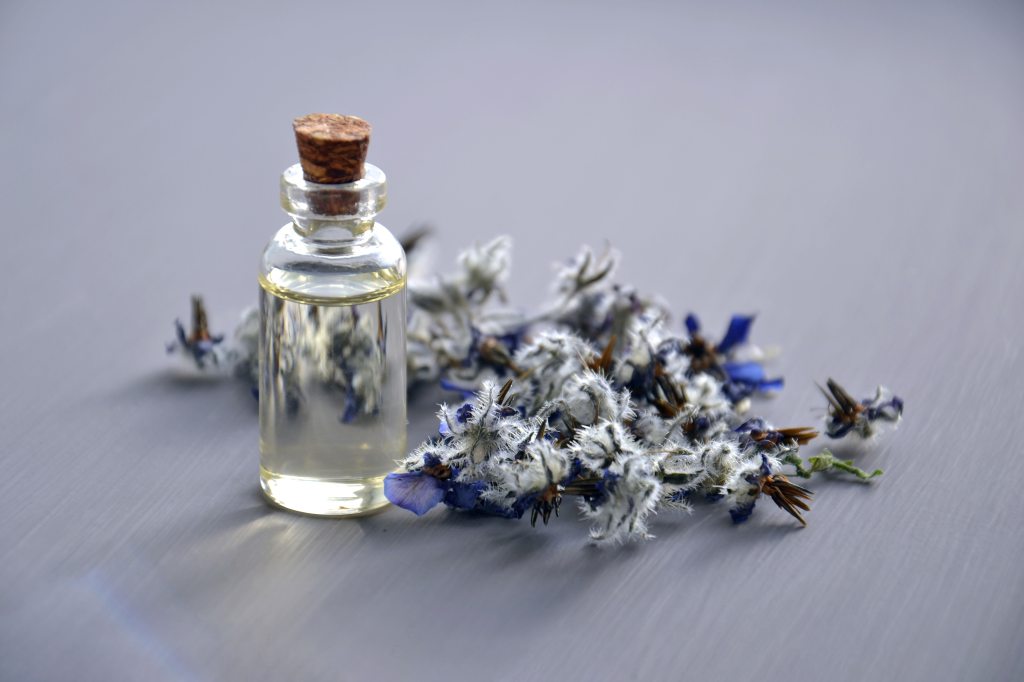
Scent is a powerful tool in creating a calming atmosphere. Use essential oils like lavender, eucalyptus, or chamomile in a diffuser to promote relaxation and healing. Be mindful of the scents you choose, as some clients may be sensitive to strong smells. A neutral, light scent can also be achieved by using scented candles or incense, but ensure there is enough ventilation to keep the air fresh.
5. Natural Elements
Incorporate nature into your décor for a grounding effect. Live plants or flowers bring a sense of vitality and tranquility to the space. Choose low-maintenance plants like succulents, peace lilies, or ferns, which thrive in low-light conditions and purify the air. You could also add natural textures like stone, wood, or woven baskets to enhance the earthy feel.
6. Artwork and Personal Touches
Choose artwork that reflects serenity and healing, like images of nature, abstract patterns, or mandalas. The artwork should be soothing, not too bold or complex, as this might distract the client. Personal touches, like crystals, sound bowls, or reiki symbols, can add character and spiritual energy to the room, especially if you practice energy healing.
7. Sound and Music
Ambient sounds or soft music complete the relaxing atmosphere. Consider using a small speaker to play calming music or nature sounds during sessions. A water fountain or wind chimes can also provide gentle, soothing background sounds. Make sure the room is insulated from external noise with thick curtains or soundproofing materials.
By focusing on these elements, you can create a massage room that is not only functional but also an inviting sanctuary for your clients to unwind and rejuvenate.

