
Peptides have become a popular topic in the health and wellness world, but many people don’t realize that the body naturally produces peptides every day. These small but powerful molecules play essential roles in communication between cells, tissue repair, hormone regulation, immune function, metabolism, and overall health. Understanding how peptides are synthesized naturally can help you appreciate the incredible processes occurring inside your body and why peptide health is so important for wellness.
What Are Peptides?
Peptides are short chains of amino acids, which are often referred to as the building blocks of proteins. While proteins are typically made up of 50 or more amino acids, peptides consist of fewer amino acids linked together by peptide bonds.
The human body contains thousands of naturally occurring peptides that serve as signaling molecules. These peptides tell cells what actions to take, helping regulate countless biological functions. Examples of naturally occurring peptides include insulin, collagen peptides, growth hormone-releasing peptides, and antimicrobial peptides that help defend against infection.
The Building Blocks: Amino Acids
Natural peptide synthesis begins with amino acids. Amino acids come primarily from the foods we eat, especially protein-rich foods such as:
- Eggs
- Fish
- Poultry
- Lean meats
- Dairy products
- Beans and legumes
- Nuts and seeds
When we consume protein-containing foods, our digestive system breaks the proteins down into individual amino acids. These amino acids are then absorbed into the bloodstream and transported to cells throughout the body where they can be used to build new proteins and peptides.
How the Body Creates Peptides
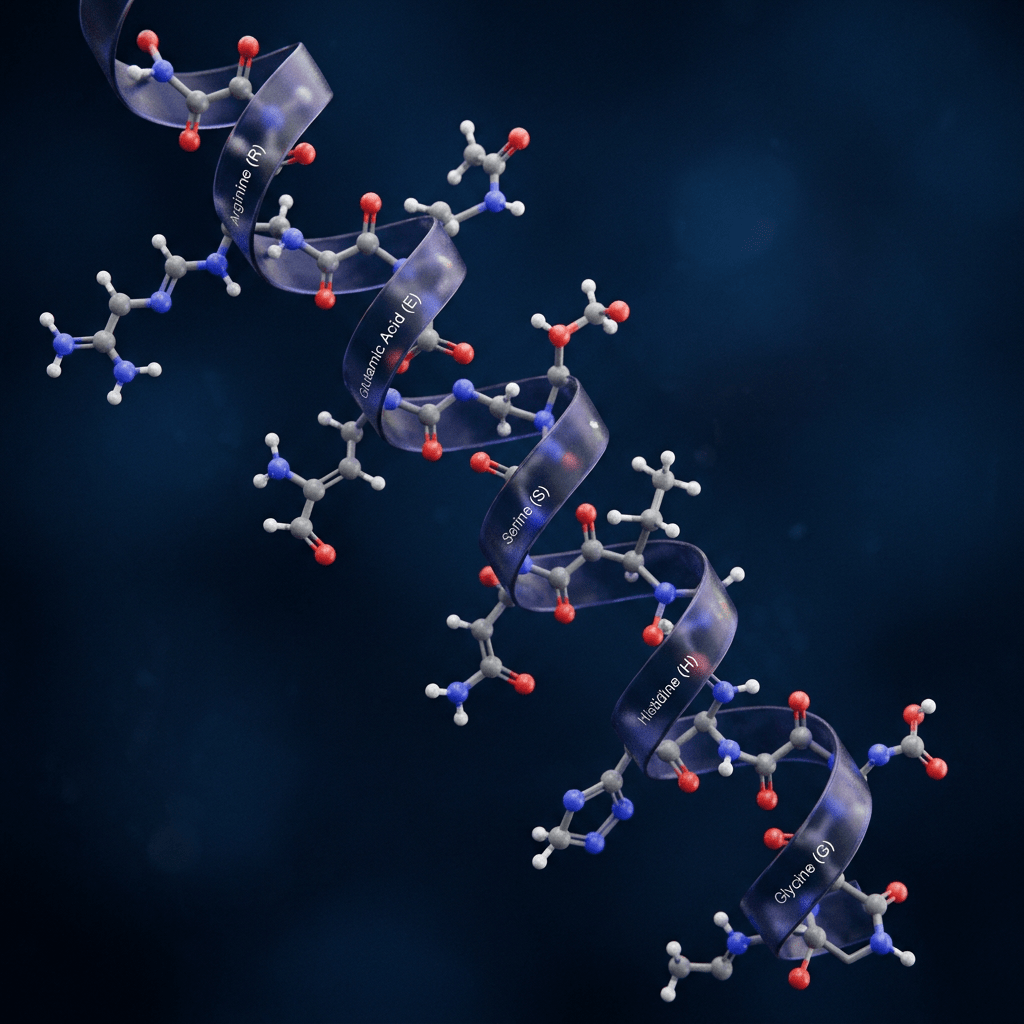
The process of peptide synthesis occurs within cells and is directed by our DNA. The process can be broken down into several steps:
1. DNA Provides the Blueprint
Inside the nucleus of each cell, DNA contains the instructions for producing specific peptides and proteins. When the body needs a particular peptide, a section of DNA is copied into messenger RNA (mRNA).
This process is known as transcription.
2. Messenger RNA Carries the Instructions
The newly formed mRNA leaves the nucleus and travels to structures called ribosomes, which act as the cell’s protein-building factories.
The mRNA contains the exact sequence of amino acids needed to create the desired peptide.
3. Ribosomes Assemble the Peptide
During a process called translation, ribosomes read the mRNA instructions and link amino acids together in the correct order.
Transfer RNA (tRNA) molecules deliver the necessary amino acids to the ribosome, where peptide bonds are formed between them. As each amino acid is added, a peptide chain begins to grow.
4. Processing and Activation
Many peptides are initially created in an inactive form called a precursor peptide. Specialized enzymes then modify and trim the peptide into its active form.
These modifications may include:
- Folding into a specific shape
- Removal of unnecessary amino acids
- Addition of chemical groups
- Packaging for transport
Once activated, the peptide is ready to perform its biological function.
Why Natural Peptide Production Matters
The body’s ability to synthesize peptides is critical for maintaining health. Peptides influence many important functions, including:
Hormone Regulation
Several hormones are peptides, including insulin, glucagon, and growth hormone-releasing peptides. These molecules help regulate blood sugar, metabolism, and growth.
Tissue Repair and Recovery
Certain peptides help stimulate tissue repair and collagen production, supporting wound healing and recovery from injury.
Immune System Function
Antimicrobial peptides help protect the body against harmful bacteria, viruses, and fungi. They serve as a natural defense system and support immune health.
Muscle Growth and Maintenance
Peptides help regulate muscle protein synthesis, which is essential for maintaining lean muscle mass and promoting recovery after exercise.
Cellular Communication
Peptides act as messengers between cells, ensuring that different parts of the body can communicate efficiently and respond appropriately to changing conditions.
Factors That Affect Peptide Production
Several lifestyle factors can influence the body’s ability to produce peptides effectively:
- Adequate protein intake
- Regular exercise
- Quality sleep
- Stress management
- Proper hydration
- Balanced nutrition
- Healthy hormone levels
As we age, natural peptide production may decline, which can contribute to changes in recovery, muscle maintenance, skin health, and overall vitality.
Supporting Your Body’s Natural Peptide Synthesis
While peptide production is a natural process, you can support it by focusing on healthy lifestyle habits:
- Eat sufficient high-quality protein daily.
- Prioritize restorative sleep.
- Stay physically active.
- Manage chronic stress.
- Maintain healthy blood sugar levels.
- Consume nutrient-dense foods rich in vitamins and minerals.
These habits provide the raw materials and optimal environment needed for healthy peptide synthesis.
Final Thoughts
Peptides are remarkable molecules that play a vital role in nearly every aspect of human health. From hormone regulation and immune defense to tissue repair and cellular communication, these naturally synthesized compounds help keep the body functioning efficiently. By understanding how peptides are created and supporting your body’s natural peptide production through healthy lifestyle choices, you can take an active role in promoting overall wellness and vitality.
Stay Connected
Want more health tips, wellness education, and information about peptides and holistic health?
Subscribe to our newsletter today and never miss valuable insights that can help you take charge of your wellness journey. Join our community and receive the latest health tips, educational articles, and wellness updates delivered directly to your inbox.
References
- National Human Genome Research Institute – Gene expression, transcription, and translation processes.
- National Institute of General Medical Sciences – Overview of protein and peptide synthesis in cells.
- National Library of Medicine – Research on peptide biosynthesis, peptide hormones, and cellular signaling.
- Cleveland Clinic – General overview of peptides and their functions in the body.
- MedlinePlus – Amino acids, proteins, and peptide-related health information.

