
Peptides are quickly becoming one of the most talked-about topics in modern wellness and regenerative health. These short chains of amino acids act as signaling molecules in the body, helping regulate and influence a wide range of biological functions such as hormone production, immune response, tissue repair, and metabolism. While all peptides are made of amino acids, their effects vary widely depending on their structure and purpose. Understanding the different types of peptides can help you better appreciate how they support overall wellness and why they are gaining so much attention in holistic health.
Signal Peptides: The Body’s Communication System
Signal peptides are one of the most important and widely studied categories. Their primary role is to “signal” cells to perform specific actions. Think of them as messengers that tell your body what to do and when to do it.
For example, some signal peptides stimulate collagen production, which supports skin elasticity and joint health. Others may signal the body to increase growth hormone release, supporting muscle recovery, energy, and cellular repair. Because they essentially guide cellular communication, signal peptides are often used in wellness protocols aimed at anti-aging, recovery, and tissue regeneration.
In short, signal peptides help the body stay in communication with itself, ensuring that repair and regulation processes happen efficiently.
Carrier Peptides: Delivering Essential Minerals and Nutrients
Carrier peptides have a very different but equally important function. Instead of sending signals, they help transport essential trace elements—like copper and other minerals—directly to cells where they are needed.
Copper-binding peptides, for example, are well known for supporting skin health, wound healing, and antioxidant activity. By delivering these nutrients efficiently, carrier peptides help improve the body’s ability to utilize minerals that are essential for enzyme function and tissue repair.
Without proper nutrient delivery, even a well-balanced diet may not be fully optimized at the cellular level. Carrier peptides help bridge that gap, ensuring that key nutrients are delivered where they are needed most.
Enzyme-Inhibiting Peptides: Regulating Biological Activity
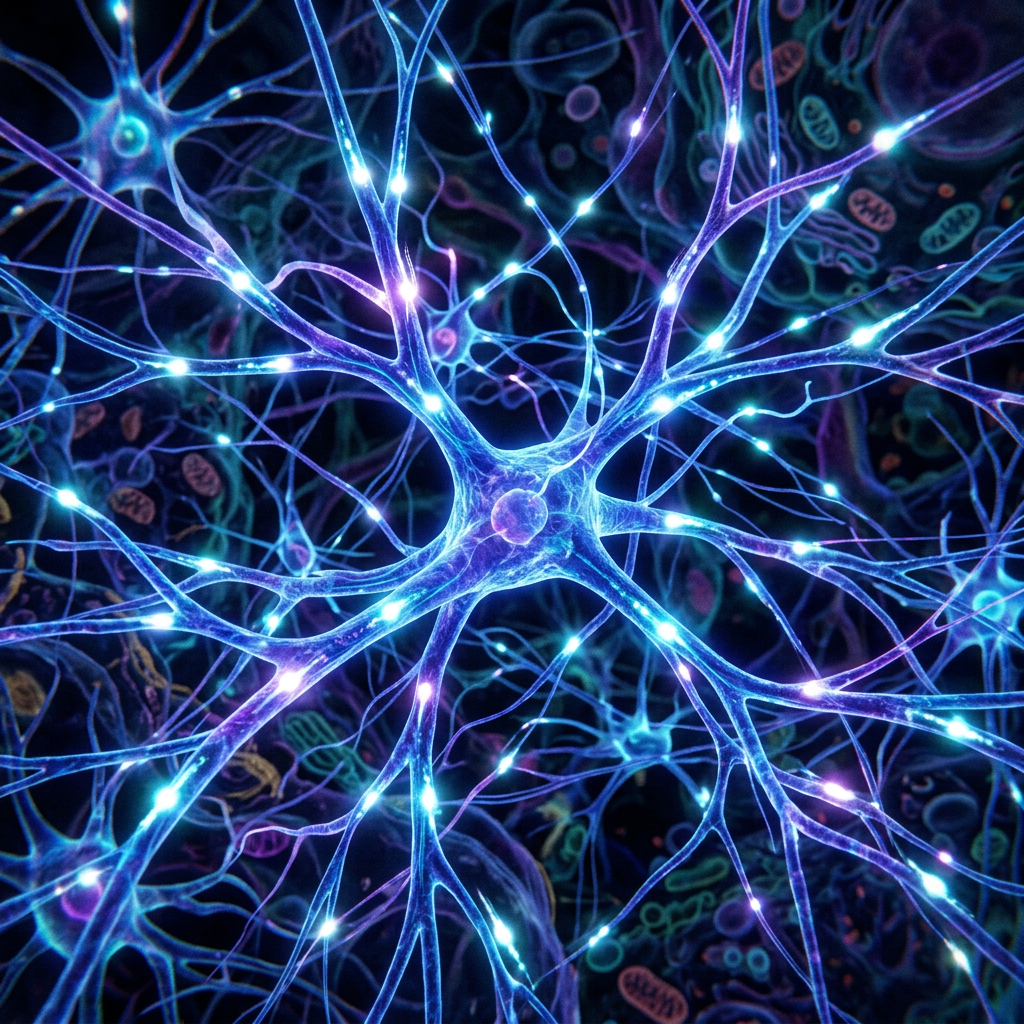
Enzyme-inhibiting peptides work by slowing down or blocking specific enzyme activity in the body. Enzymes are responsible for driving chemical reactions, but sometimes too much activity can lead to imbalance or inflammation.
For example, certain enzyme-inhibiting peptides may help regulate processes involved in blood pressure, inflammation, or tissue breakdown. By controlling these enzymatic reactions, they help maintain balance and protect tissues from excessive wear or damage.
These peptides are especially important in maintaining homeostasis, which is the body’s natural ability to stay in balance despite internal and external stressors.
Structural and Functional Peptides: Building and Repairing the Body
While not always classified in the same category list, structural peptides also play a critical role in overall health. These peptides contribute directly to the formation of collagen, elastin, and other structural proteins in the body.
They are often associated with skin health, joint support, and connective tissue strength. As we age, natural peptide production declines, which can lead to visible signs of aging and reduced recovery ability. Supporting the body with peptide-based wellness strategies may help encourage healthier structural integrity over time.
Why Peptides Matter in Modern Wellness
What makes peptides so powerful is their specificity. Unlike broad supplements that affect the entire body, peptides often target very precise biological functions. This makes them an exciting area of study in regenerative health, anti-aging science, and functional wellness.
They do not simply “add” nutrients to the body—they help guide the body’s own processes, encouraging balance, repair, and optimal performance from within.
As research continues to grow, peptides are becoming a foundational topic in holistic and integrative health approaches.
Start Your Wellness Journey Today
If you’re ready to support your body at the cellular level and explore the benefits of peptide-based wellness, now is the perfect time to take the next step. Incorporating high-quality peptides into your routine may help support energy, recovery, balance, and overall vitality.
👉 Click here to explore and purchase your peptides today and begin your wellness journey toward a healthier, more balanced you.
References
- National Institutes of Health (NIH) – Peptides and Amino Acids Research
A trusted government health resource covering ongoing biomedical research, including peptide science and cellular signaling functions. - PubMed – U.S. National Library of Medicine
A comprehensive database of peer-reviewed scientific studies on peptides, protein functions, and clinical applications in human health. - Mayo Clinic – Research and Health Information
Evidence-based medical information on human physiology, hormones, and treatments related to cellular health and regenerative medicine. - Nature Reviews Drug Discovery – Peptide Therapeutics Research
High-level scientific journal articles focusing on peptide-based drug development and therapeutic applications in modern medicine. - Frontiers in Pharmacology – Peptide Research Studies
Peer-reviewed open-access research exploring bioactive peptides, signaling mechanisms, and their pharmacological potential. - Endocrine Society – Hormones and Cellular Signaling
Professional medical organization providing research and education on hormones, signaling molecules, and regulatory peptides in the body.

