
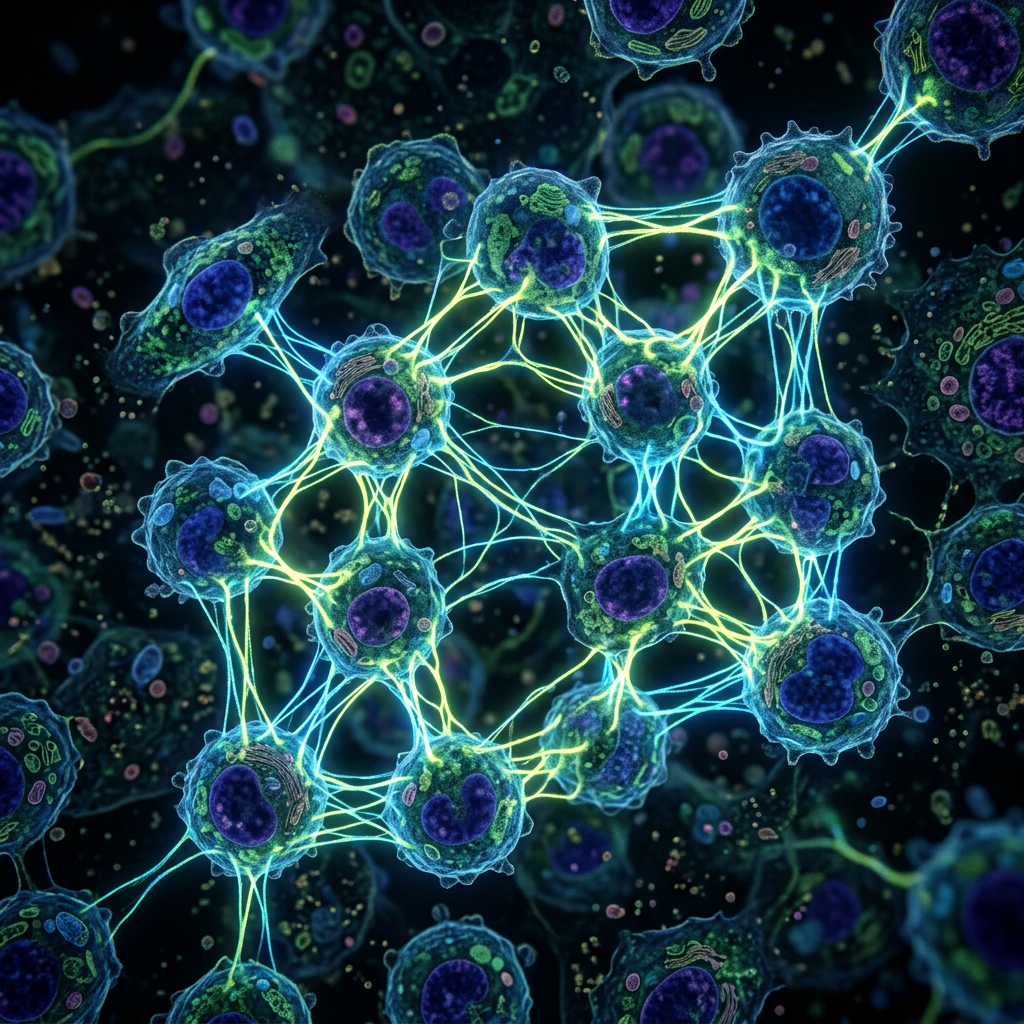
Peptides are small but powerful molecules that play a fundamental role in how the human body functions. At their core, peptides are short chains of amino acids—the same building blocks that form proteins. What makes peptides especially important is their ability to act as signaling molecules, helping cells communicate with one another. Without this communication system, the body would not be able to regulate essential processes such as metabolism, immune response, tissue repair, hormone balance, and even cognitive function.
Cell communication is the foundation of human biology. Every second of the day, trillions of cells in your body are sending and receiving messages. Peptides act like tiny messengers in this system. They bind to receptors on the surface of cells and trigger specific responses inside the cell. Think of peptides as keys and cell receptors as locks—when the right peptide connects with the right receptor, it “unlocks” a biological response that keeps the body functioning smoothly.
One of the most important roles peptides play in cell communication is in hormone regulation. Many hormones are actually peptides or peptide-based. For example, insulin is a peptide hormone that regulates blood sugar levels. When insulin binds to receptors on cells, it signals them to absorb glucose from the bloodstream and use it for energy. Without this peptide signaling, blood sugar levels would become unstable, leading to serious metabolic issues.
Peptides are also essential in immune system communication. The body relies on peptide signals to detect threats such as bacteria, viruses, and damaged cells. Once these signals are received, immune cells are activated to respond appropriately. Some peptides help regulate inflammation, ensuring that the immune response is strong enough to protect the body but not so strong that it causes unnecessary damage.

Another important function of peptides in cell communication is tissue repair and regeneration. When the body experiences injury, peptides are released to signal repair mechanisms. These signals can stimulate collagen production, encourage new cell growth, and help rebuild damaged tissue. This is why peptides are often discussed in the context of recovery, aging, and overall vitality.
In addition, peptides play a role in neurological communication. Certain peptides act as neurotransmitters or neuromodulators, influencing how signals are transmitted in the brain. This can affect mood, focus, sleep cycles, and cognitive performance. Because of this, peptide balance is often considered important for maintaining mental clarity and emotional well-being.
What makes peptides particularly fascinating is their specificity. Unlike broader biological molecules, peptides deliver highly targeted messages. Each peptide has a specific structure that determines which receptors it can bind to and what response it will trigger. This precision allows the body to maintain balance and respond quickly to internal and external changes.
As research in nutrition and cellular health continues to grow, peptides are gaining attention for their potential role in supporting overall wellness. Ensuring the body has the right building blocks to produce and utilize peptides effectively is an important part of maintaining optimal health.
Supporting the body at the cellular level means supporting communication at its most fundamental stage. When cells communicate efficiently, the body is better able to maintain balance, energy, and resilience.
If you are looking to support your wellness journey and give your body the nutritional tools it needs for optimal cellular communication, you can explore high-quality peptide support supplements.
Click here to get your peptides and take the next step in starting your wellness journey today.

