
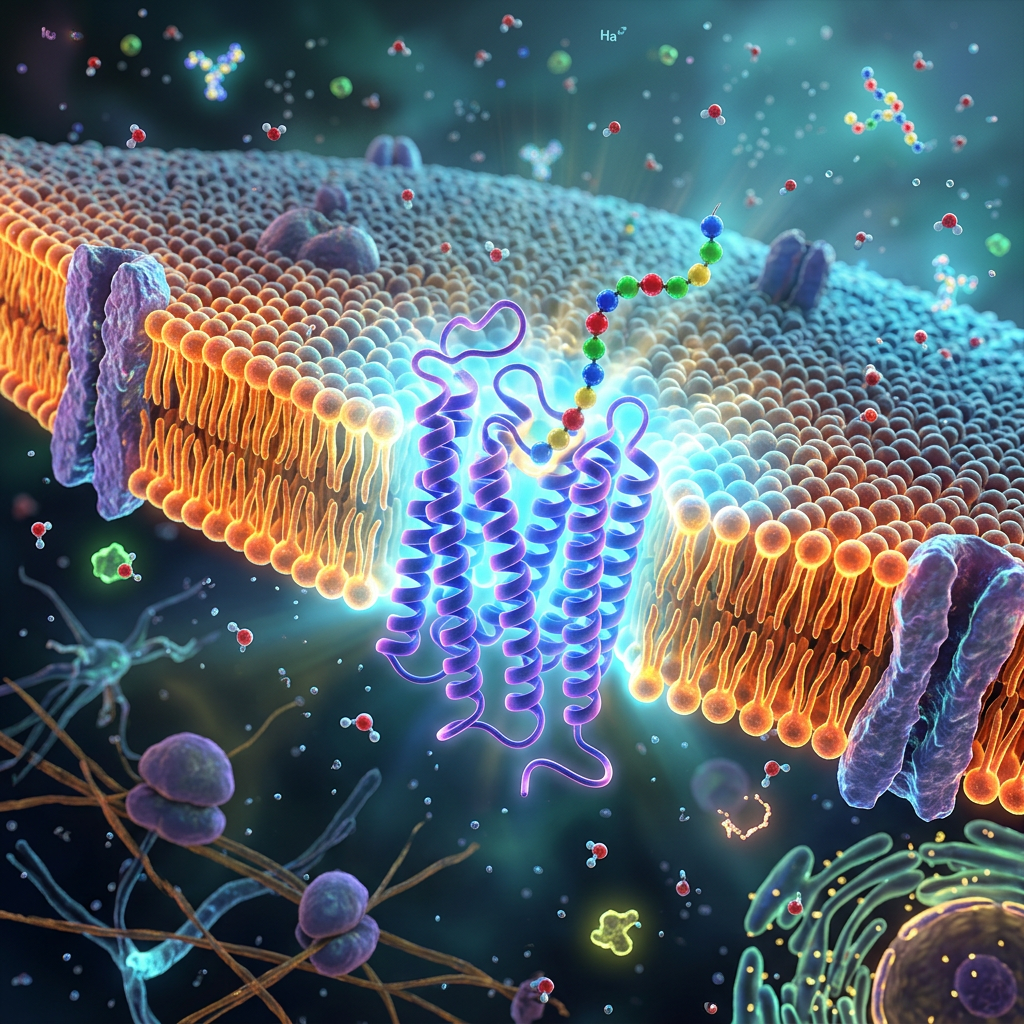
The Science Behind Their Powerful Effects
Peptides have become one of the most talked-about topics in health and wellness—and for good reason. These naturally occurring compounds play a critical role in how the body communicates and functions. From supporting muscle recovery and skin health to influencing metabolism and immune function, peptides are involved in countless biological processes.
But how do peptides actually work?
The answer lies in their interaction with receptors. Understanding this relationship can help you appreciate why peptides have gained so much attention in the wellness community and why they may be an important part of supporting your health goals.
What Are Peptides?
Peptides are short chains of amino acids, which are often referred to as the building blocks of proteins. While proteins may contain hundreds or even thousands of amino acids, peptides are much smaller, typically consisting of between two and fifty amino acids.
Because of their smaller size, peptides can serve as signaling molecules throughout the body. Think of them as messengers that carry instructions from one cell to another. They help regulate numerous functions including hormone production, tissue repair, immune responses, digestion, sleep, and cellular communication.
Your body naturally produces many different peptides, but production can decline with age, illness, stress, or poor nutrition.
What Are Receptors?
Receptors are specialized proteins found on the surface of cells or inside cells. Their job is to receive specific chemical signals and trigger an appropriate response.
An easy way to understand receptors is to imagine a lock and key. The receptor acts as the lock, while the peptide serves as the key. Only the correct peptide can fit into the receptor, allowing it to unlock a biological response.
This remarkable specificity allows the body to precisely control countless functions without affecting unrelated systems.
How Peptides Bind to Receptors
When a peptide encounters its matching receptor, it binds to it much like a key fitting into a lock. Once attached, the receptor changes shape and activates a series of signals inside the cell.
These signals may tell the cell to:
- Produce more of a certain protein
- Release hormones
- Increase tissue repair
- Reduce inflammation
- Grow new blood vessels
- Support immune function
- Stimulate collagen production
- Improve communication between cells
The exact outcome depends entirely on which peptide binds to which receptor.
This highly targeted mechanism is one reason peptides have become such an exciting area of research in health and wellness.
Why Receptor Specificity Matters

One of the biggest advantages of peptides is their precision.
Instead of affecting the entire body indiscriminately, many peptides are designed to target very specific receptors. This focused approach allows particular tissues or biological pathways to be activated while minimizing effects on unrelated systems.
For example, one peptide may primarily interact with receptors involved in muscle repair, while another may target receptors that regulate skin health or immune function.
This selective communication helps explain why different peptides have different purposes and potential applications.
The Signaling Cascade
The interaction between peptides and receptors doesn’t stop once they bind together.
After activation, the receptor often initiates what’s known as a signaling cascade. This is a chain reaction of biochemical events occurring inside the cell.
These signaling pathways can:
- Turn genes on or off
- Increase production of beneficial proteins
- Activate repair mechanisms
- Improve communication between neighboring cells
- Help regulate inflammation
- Promote healthy cellular function
One peptide binding to a single receptor can ultimately influence hundreds or even thousands of cellular processes.
This demonstrates just how powerful cellular communication can be.
Why Healthy Receptors Matter
Even the highest-quality peptide cannot function effectively if its receptors aren’t working properly.
Factors that may negatively affect receptor function include:
- Chronic inflammation
- Poor nutrition
- Oxidative stress
- Lack of sleep
- Aging
- Excessive alcohol consumption
- Smoking
- Chronic illness
Supporting overall health through proper nutrition, hydration, regular exercise, quality sleep, and stress management may help maintain healthy cellular communication.
Different Peptides, Different Jobs
Not all peptides perform the same function because each interacts with different receptors throughout the body.
Some peptides are being studied for their roles in:
- Supporting recovery after exercise
- Encouraging healthy collagen production
- Promoting skin elasticity
- Supporting healthy immune responses
- Assisting with metabolic regulation
- Helping maintain healthy muscle tissue
- Supporting healthy aging
Researchers continue to discover new peptides and better understand how they communicate with receptors to regulate normal biological processes.
The Future of Peptide Science
Peptide research is expanding rapidly as scientists continue to uncover new ways these signaling molecules influence health and wellness.
Advances in biotechnology are allowing researchers to better understand receptor biology, improve peptide stability, and develop more targeted approaches for supporting normal physiological function.
Although research continues, one thing is already clear: peptides are an essential part of the body’s communication network. Their ability to bind with highly specific receptors allows cells to receive precise instructions that help maintain balance, repair tissues, and support overall health.
As our understanding grows, peptides are expected to remain an exciting area of research with potential applications across many aspects of wellness.
Start Your Wellness Journey Today
If you’re interested in learning more about how peptides may support your wellness goals, now is the perfect time to take the next step.
Visit our website today to explore our selection of high-quality peptides and wellness products. Whether you’re focused on recovery, healthy aging, performance, or overall well-being, we’re here to help you find products that fit your journey.
Start your wellness journey today by visiting our link and purchasing your peptides. Your body works hard every day—give it the support it deserves!

