
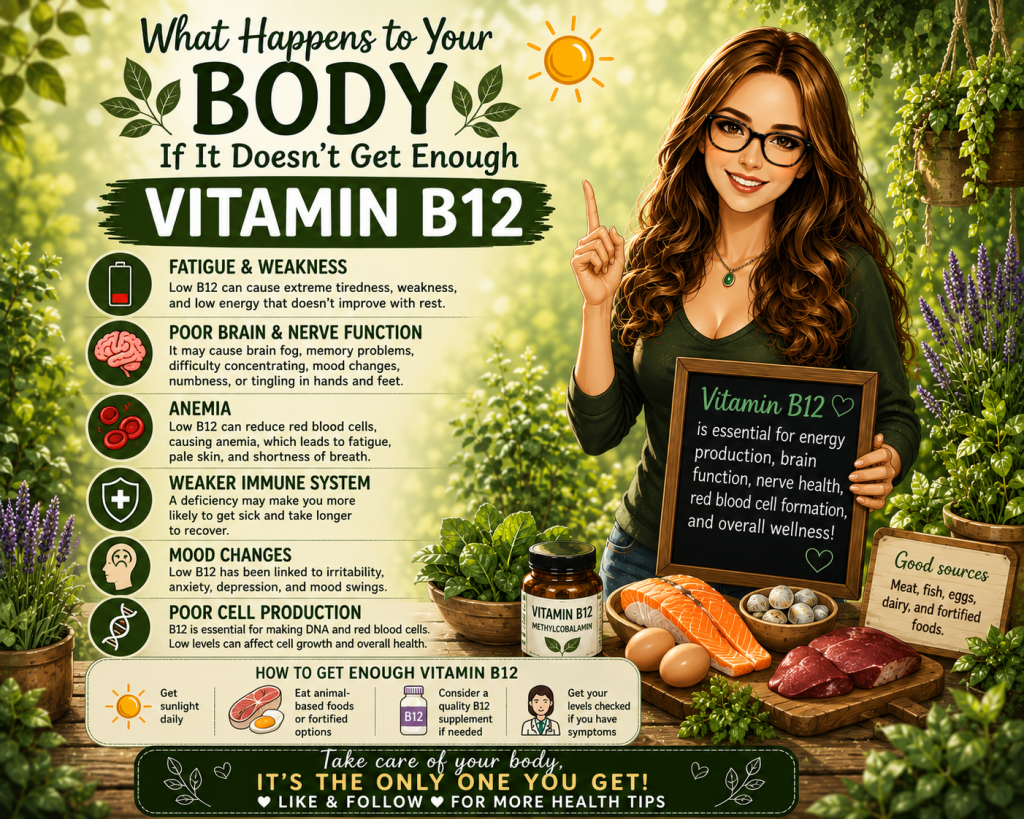
Vitamin B12 is one of the most important nutrients your body needs to function properly, yet many people don’t realize they’re not getting enough until symptoms begin affecting their daily lives. This essential vitamin plays a critical role in producing red blood cells, supporting the nervous system, creating DNA, and helping your body convert food into energy.
Because your body cannot produce vitamin B12 on its own, you must obtain it through your diet or supplementation. If your intake is too low or your body has trouble absorbing it, a deficiency can develop over time. Since the liver stores vitamin B12, it may take months or even years before symptoms become noticeable.
Early Signs of Vitamin B12 Deficiency
One of the first things many people notice is persistent fatigue. Even after getting plenty of sleep, they may feel exhausted throughout the day because vitamin B12 is essential for healthy red blood cell production. Without enough healthy red blood cells, oxygen cannot be delivered efficiently throughout the body.
Common early symptoms include:
- Constant tiredness or weakness
- Difficulty concentrating
- Brain fog
- Shortness of breath during activity
- Pale skin
- Dizziness or lightheadedness
- Headaches
Many people mistakenly attribute these symptoms to stress, aging, or simply being busy, when low vitamin B12 could be contributing.
Effects on the Nervous System
Vitamin B12 is crucial for maintaining the protective covering around your nerves, known as the myelin sheath. Without adequate B12, nerves can become damaged, leading to neurological symptoms.
Some people may experience:
- Tingling or numbness in the hands and feet
- Burning sensations
- Muscle weakness
- Poor balance
- Difficulty walking
- Coordination problems
If a deficiency continues for a long time, some nerve damage may become difficult to reverse, making early detection and treatment important.
Brain Health and Mood
Your brain relies on vitamin B12 for healthy nerve communication and the production of important neurotransmitters involved in mood regulation.
Low vitamin B12 has been associated with symptoms such as:

- Memory problems
- Difficulty focusing
- Confusion
- Depression
- Irritability
- Anxiety
- Mood changes
While vitamin B12 deficiency is not the only cause of these symptoms, correcting a deficiency may help improve overall cognitive function in people who are deficient.
Anemia and Reduced Oxygen Delivery
One of the most well-known consequences of vitamin B12 deficiency is megaloblastic anemia. In this condition, red blood cells become unusually large and are unable to function properly.
This can result in:
- Extreme fatigue
- Weakness
- Rapid heartbeat
- Shortness of breath
- Cold hands and feet
- Reduced exercise tolerance
Because oxygen isn’t delivered efficiently to tissues, everyday activities can begin to feel much more difficult.
Digestive Symptoms
Vitamin B12 deficiency can also affect the digestive system.
Some people experience:
- Loss of appetite
- Weight loss
- Nausea
- Constipation
- Diarrhea
- A sore or smooth tongue
- Mouth ulcers
These symptoms are often overlooked but may be another sign that the body isn’t getting enough vitamin B12.
Who Is Most at Risk?
Certain groups of people are more likely to develop a vitamin B12 deficiency, including:
- Adults over age 50
- Vegetarians and vegans
- People who have had weight-loss surgery
- Individuals with digestive disorders such as Crohn’s disease or celiac disease
- People taking certain medications that reduce stomach acid or affect absorption
- Individuals with pernicious anemia
Even people who eat animal products can develop a deficiency if their body cannot absorb vitamin B12 efficiently.
Supporting Healthy Vitamin B12 Levels
The recommended approach to maintaining healthy vitamin B12 levels depends on your individual needs. Eating foods naturally rich in vitamin B12—such as meat, fish, eggs, dairy products, and fortified foods—can help many people meet their requirements. For individuals who don’t consume enough through diet or have difficulty absorbing it, a healthcare professional may recommend supplementation.
If you’re experiencing ongoing fatigue, numbness, balance problems, or other symptoms that could be related to vitamin B12 deficiency, it’s important to discuss them with your healthcare provider. Blood testing can help determine whether a deficiency is present and guide appropriate treatment.
Nourish Your Body Every Day
Proper nutrition provides the foundation for overall wellness. Ensuring your body receives adequate amounts of vitamin B12—along with other essential vitamins and minerals—can help support normal energy production, healthy nerve function, and overall vitality.
Ready to Support Your Daily Nutrition?
If you’re looking for a convenient way to help fill nutritional gaps, consider Beyond Tangy Tangerine. This comprehensive daily nutritional supplement provides a wide variety of vitamins, minerals, amino acids, and plant-derived nutrients designed to complement a healthy lifestyle.
While no supplement is intended to diagnose, treat, cure, or prevent disease, giving your body the nutrients it needs each day can be an important part of supporting overall wellness.
Take the next step in your wellness journey today. Order your Beyond Tangy Tangerine supplement and give your body the nutritional support it deserves. Your future self will thank you!