

When we think about vitamins, we often hear about vitamin C, vitamin D, or the B vitamins that support energy. But there is another B vitamin that deserves attention: biotin, also known as vitamin B7.
Biotin is a water-soluble B vitamin that plays an important role in helping your body metabolize carbohydrates, fats, and proteins. It also supports normal nervous system function and helps maintain healthy skin, hair, and nails. While true biotin deficiency is relatively uncommon, not getting enough can affect several areas of the body.
So, what can happen when your body isn’t getting enough biotin?
What Is Biotin?
Biotin is part of the B-complex family of vitamins. Your body uses it as a cofactor for several enzymes involved in metabolism, meaning it helps your body process nutrients from the foods you eat and use them for normal biological functions.
Because biotin is water-soluble, the body doesn’t store large amounts of it. Small amounts can be obtained through a variety of foods, including eggs, nuts, seeds, legumes, fish, meat, and some vegetables.
Most people can obtain enough biotin through a balanced diet. However, certain circumstances can increase the risk of inadequate intake or deficiency.
Hair Changes and Hair Thinning

One of the reasons biotin is so popular in beauty supplements is its connection to healthy hair.
When someone is deficient in biotin, hair thinning or hair loss can occur. However, it’s important to understand that hair loss has many possible causes, including genetics, hormonal changes, stress, nutritional deficiencies, certain medications, and underlying health conditions.
Biotin supplementation isn’t necessarily a solution for hair loss in people who aren’t deficient. But maintaining adequate biotin levels is part of supporting normal hair health.
Brittle or Weak Nails
Your fingernails can sometimes provide clues about your nutritional status.
A biotin deficiency may contribute to brittle, splitting, or weak nails. Research has also investigated biotin supplementation for improving nail strength, particularly in people with brittle nails.
If your nails suddenly begin changing, however, it’s worth considering the bigger picture rather than assuming you simply need more biotin. Nutrition, hydration, nail trauma, and other health factors can all play a role.
Skin Changes

Biotin also contributes to normal skin health. A deficiency can be associated with skin rashes and dermatitis, particularly around the face.
Healthy skin depends on many factors, including adequate protein, essential fatty acids, vitamins, minerals, hydration, sleep, and overall nutrition. Biotin is one piece of that larger wellness picture.
Fatigue and Low Energy
Because biotin helps enzymes involved in macronutrient metabolism, inadequate biotin can potentially affect the body’s normal ability to process nutrients.
Some people with biotin deficiency may experience fatigue, weakness, or low energy. However, these symptoms are extremely nonspecific. Lack of sleep, stress, anemia, thyroid problems, inadequate calorie intake, and numerous other conditions can also cause fatigue.
That’s why persistent or unexplained fatigue shouldn’t automatically be attributed to a vitamin deficiency.
Neurological Effects
Biotin also plays a role in normal nervous system function. More significant deficiency can be associated with neurological symptoms such as tingling or numbness, muscle problems, difficulty coordinating movements, or mood changes.
These symptoms can have many potential causes, so anyone experiencing persistent neurological changes should speak with a healthcare professional rather than relying solely on supplementation.
Who May Be at Greater Risk?
Although biotin deficiency is uncommon, certain situations may increase the risk. These can include certain genetic disorders affecting biotin metabolism, prolonged use of some medications, severe malnutrition, and certain gastrointestinal conditions that interfere with nutrient absorption.
Pregnancy can also affect biotin metabolism, and some studies suggest that marginal biotin deficiency may occur during pregnancy. Anyone who is pregnant or breastfeeding should discuss supplement use with their healthcare provider.
Getting Biotin Through Your Diet

A balanced diet can provide biotin naturally. Foods containing biotin include:
- Eggs
- Salmon and other fish
- Nuts and seeds
- Legumes
- Organ meats
- Whole grains
- Certain vegetables
- Meat and poultry
Eating a variety of whole foods is one of the best ways to support overall nutritional health.
It’s also important to remember that more isn’t always better when it comes to vitamins. High-dose biotin supplements can interfere with certain laboratory tests, including some tests used to evaluate thyroid function and heart-related conditions. Always tell your healthcare provider if you’re taking a biotin-containing supplement, especially before having blood work.
Supporting Your Body With Complete Nutrition
Your body doesn’t rely on a single vitamin to function properly. It needs a broad spectrum of vitamins, minerals, amino acids, and other nutrients working together.
That’s why focusing on overall nutrition rather than a single “beauty vitamin” can be a more holistic approach to wellness. A nutrient-dense diet, adequate hydration, regular movement, quality sleep, and appropriate supplementation can all be part of a healthy lifestyle.
Support Your Daily Nutrition With Beyond Tangy Tangerine
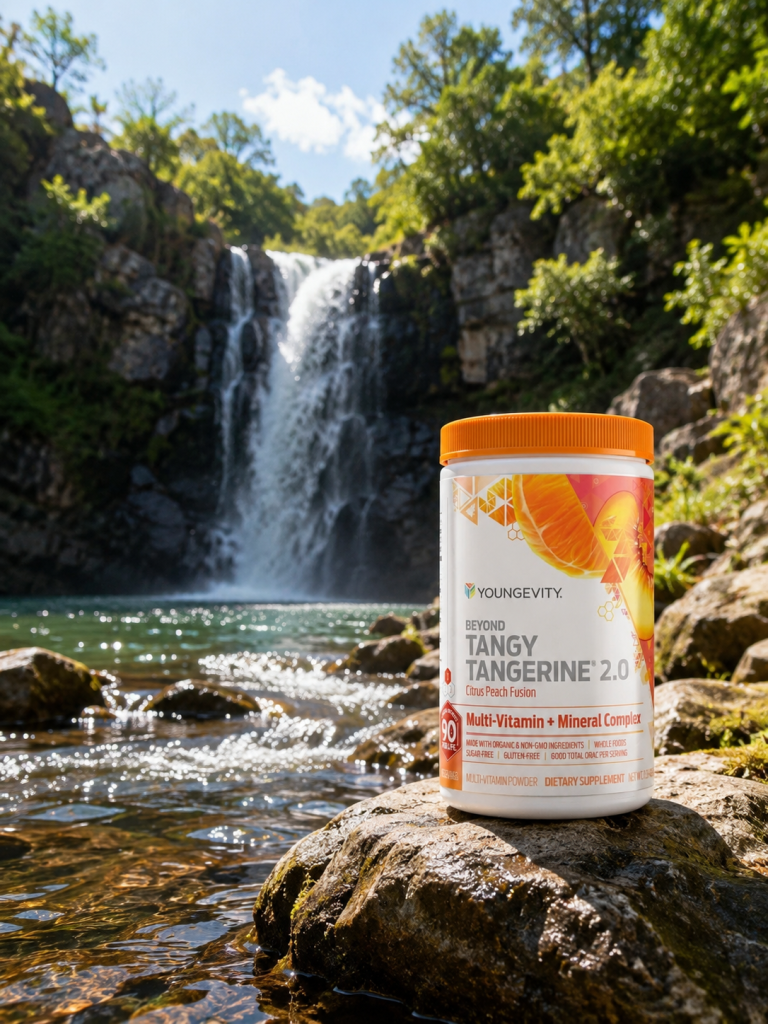
Looking for a convenient way to add nutritional support to your daily routine?
Beyond Tangy Tangerine is a comprehensive nutritional supplement designed to provide a broad range of vitamins, minerals, amino acids, and other nutrients to complement a balanced lifestyle.
If you’re looking to support your body’s nutritional needs, shop Beyond Tangy Tangerine through 317 Holistic Health today.
👉 Visit our Products & Supplements page to learn more and order your Beyond Tangy Tangerine.
Remember, supplements are intended to complement a healthy diet—not replace nutritious foods or individualized medical care. If you suspect you have a biotin deficiency or are experiencing unexplained hair loss, skin changes, fatigue, or other symptoms, talk with a qualified healthcare professional about whether testing or supplementation is appropriate for you.
 Welcome